Loading...


Insights
Practical tips, user stories, and financial strategies that help you track expenses, organize your finances, and make better spending decisions.
Loading...
We use cookies to analyze website traffic and improve your experience. You can accept or decline analytics cookies. Learn more
Insights
Practical tips, user stories, and financial strategies that help you track expenses, organize your finances, and make better spending decisions.

Financial confidence is more than simply feeling good about money; it is the psychological foundation underpinning healthy financial behavior. When individuals and families feel confident in their financial decisions, they are more likely to save consistently, avoid high-interest debt, invest for the future, and navigate crises effectively. Financial confidence influences daily habits, long-term planning, and overall well-being.
Confidence stems from knowledge, stability, and structure. Households that understand their expenses, maintain organized budgets, and have safety nets—such as emergency funds—feel more secure. This sense of control reduces anxiety and supports better decision-making. Research consistently shows that financial stress is linked to poor mental health, strained relationships, and reduced productivity. Confidence, by contrast, creates a sense of empowerment and clarity.
Financial confidence also plays a critical role in economic mobility. People who lack confidence often avoid investing, negotiating salaries, or exploring new income opportunities. They may procrastinate on financial tasks, rely on short-term loans, or make impulsive choices. Meanwhile, confident individuals approach money proactively—they plan ahead, seek education, and take measured risks.
Another important dimension is communication. Families with financial confidence are more comfortable discussing money openly. This reduces misunderstandings and ensures that everyone shares the same expectations and responsibilities. Parents with strong financial confidence also pass positive habits to their children, shaping the next generation’s approach to money.
Confidence is built gradually. Tracking progress, achieving small financial wins, and setting attainable goals all contribute to strengthening belief in one’s ability to manage finances. Technology helps too: dashboards, AI insights, and budgeting tools provide immediate clarity, turning abstract numbers into actionable information.
Ultimately, financial confidence is not about perfection—it is about resilience. It empowers individuals to handle setbacks, make informed decisions, and move toward long-term goals with intention and security.
Sources:

Financial stability is built through ongoing awareness, simple habits, automation, clear goals, and confidence gained from small, consistent actions that gradually create security and freedom.
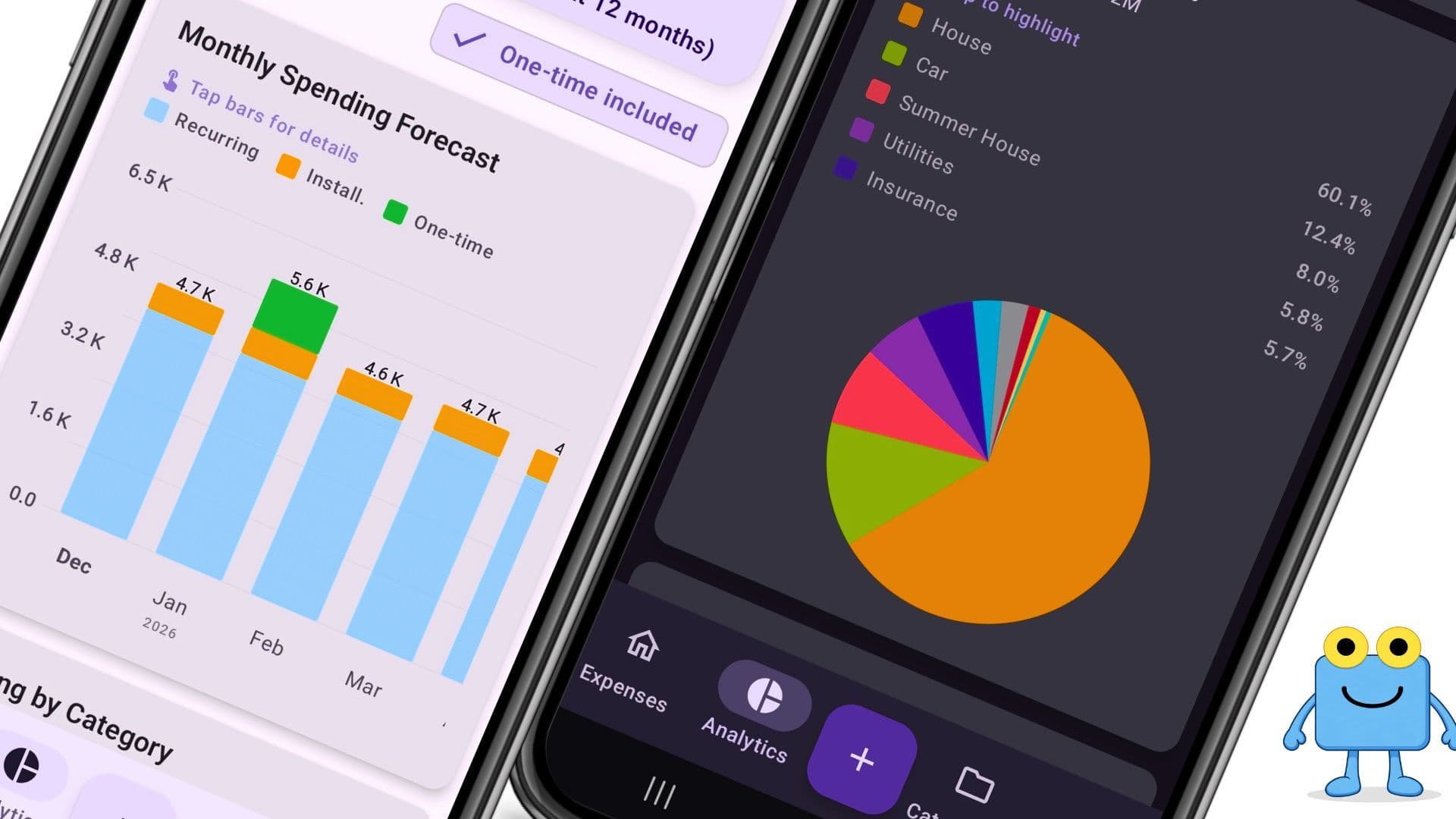
Monthly money check-ins are an essential habit for maintaining financial clarity, preventing overspending, and staying aligned with long-term goals.

Automating savings removes reliance on willpower and ensures consistent progress toward financial security by turning saving into a structured, habitual process.