Loading...


Insights
Practical tips, user stories, and financial strategies that help you track expenses, organize your finances, and make better spending decisions.
Loading...
We use cookies to analyze website traffic and improve your experience. You can accept or decline analytics cookies. Learn more
Insights
Practical tips, user stories, and financial strategies that help you track expenses, organize your finances, and make better spending decisions.

The journey toward financial stability and confidence is not a straight line—it is a cycle of learning, adjusting, and growing. It is built on simple habits, honest self-reflection, and a willingness to take small steps consistently.

A roadmap is a high-level plan that shows where you are going and how you will get there over time. It outlines key goals, milestones, and priorities along a timeline. It helps align people on direction without going into detailed tasks.
Your roadmap begins with awareness. Understanding your expenses, income, and obligations is the cornerstone of financial control.
A financial roadmap is how you design your financial future. It helps you turn your goals into clear steps and timelines, so you know what to focus on next. Instead of reacting to money problems, you follow a plan that guides your decisions over time.
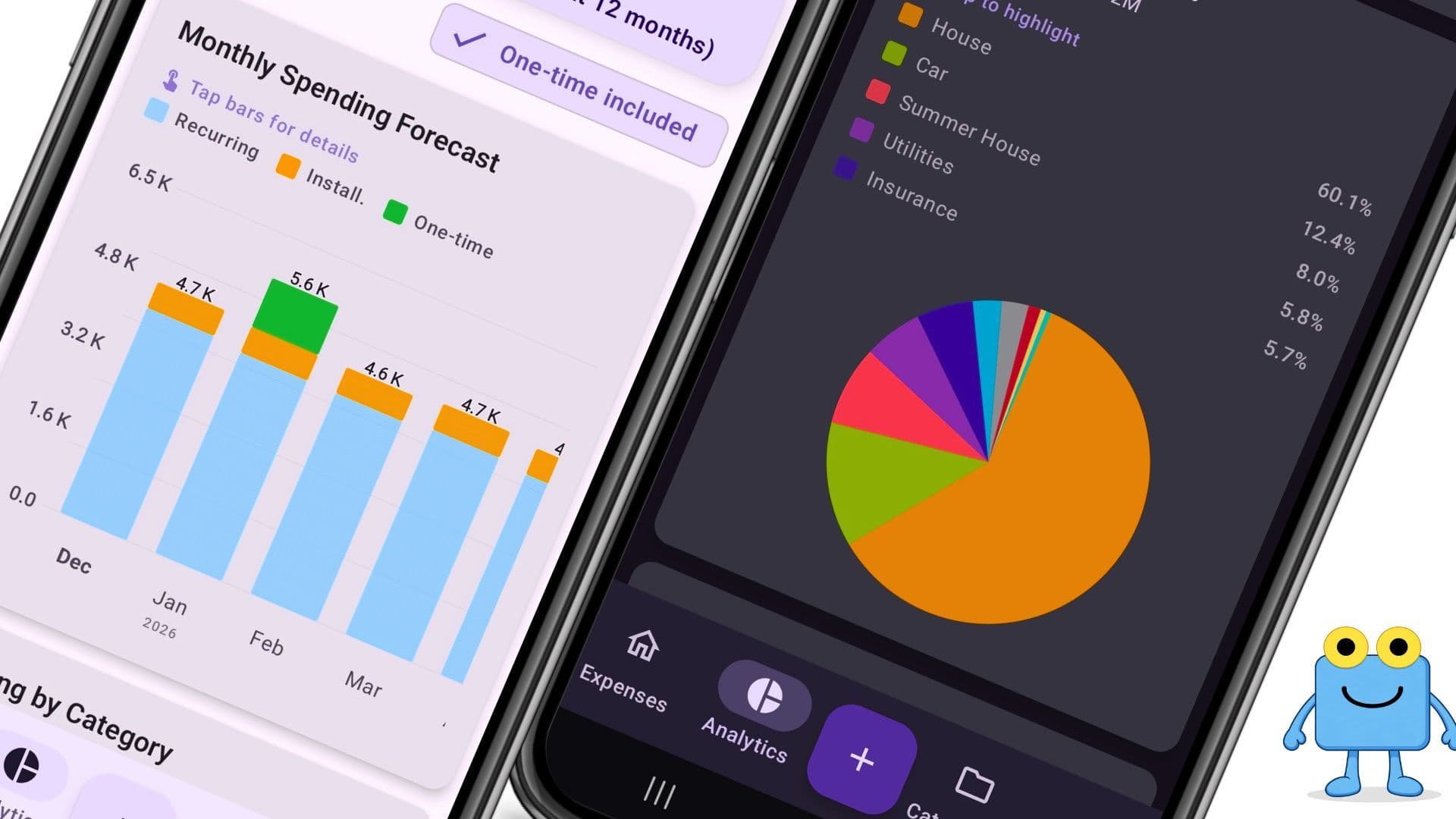
Expense-tracking apps help you see where your money goes by organizing and summarizing your spending. They often create charts and reminders so you don’t forget recurring costs. These tools make budgeting easier and keep your finances under control. And if you prefer something simple, Excel is also a great method for tracking expenses.
Google Sheets is growing rapidly as more companies move to cloud-based tools and remote work. It allows multiple people to work on the same file in real time, making collaboration much faster than sending Excel files back and forth. Another reason for its growth is that it is free and accessible from any device with internet, unlike Excel which often requires a license. Many startups and small businesses prefer it because of its simplicity and easy sharing, and it is also a great option for private individuals to manage home budgeting since it’s free. You can try it here: https://docs.google.com/spreadsheets/create

Automation becomes your ally—automating bills, savings, and investments creates stability without relying on willpower. Most bank apps today let you automate bill payments so your recurring bills are paid on schedule without manual effort. About 70% or more of mobile and online banking customers use their apps to pay bills, showing how common this feature has become in banking platforms worldwide.
Automated bill pay helps people avoid late fees and simplifies managing finances across months. It’s part of a larger trend where nearly 90% of banks have launched a mobile app with rich digital banking features.
Monthly check-ins keep you accountable, while annual resets help you reassess your direction and adapt to life’s inevitable changes.

Setting SMART (Specific, Measurable, Achievable, Relevant, Time-bound) goals transforms wishes into plans. Tracking progress reinforces motivation. Building buffers protects against uncertainty. And using technology—especially AI—helps you stay organized and informed even in the busiest seasons of life.

Here are 3 examples of SMART financial decisions and why they work:
1. Save 50,000 NOK for an emergency fund within 12 months
This is SMART because it has a clear amount and deadline, and you can track progress monthly. It builds financial security and reduces stress from unexpected expenses.
2. Pay off 20,000 NOK of credit card debt in 6 months by paying 3,300 NOK monthly
It’s specific and measurable, with a clear timeline and action plan. This reduces interest costs and improves your overall financial health.
3. Reduce monthly spending by 2,000 NOK over the next 3 months by tracking expenses weekly
This decision is realistic and time-bound, with a clear method (tracking). It helps build awareness and creates sustainable long-term savings habits.
Do not underestimate the emotional side of financial management. Confidence grows with every small success: paying down debt, hitting a savings target, controlling spending for a month, or simply understanding your money better than before. These wins may seem small on paper, but they build momentum and shift your mindset from stress to control. Over time, you start to trust your own decisions, and money becomes something you manage intentionally rather than react to. This sense of progress also reduces anxiety, because you can clearly see that you are moving forward, even if it’s step by step. The emotional reward of consistency often matters more than the numbers themselves, as it keeps you motivated to continue. In the long run, strong financial habits are not just built on logic, but on confidence, discipline, and a feeling of control over your future.
Finally, remember that your financial future is not determined by your past.
Whether you have made mistakes, faced setbacks, or struggled with money for years, the opportunity to change begins today. The road may be long, but every step takes you closer to a life of freedom, security, and possibility.
Your money is not just numbers—it is your time, your choices, your peace of mind, and your future. Move forward with confidence. You have everything you need to build a financially healthy life.
Sources:
Monthly money check-ins are an essential habit for maintaining financial clarity, preventing overspending, and staying aligned with long-term goals.

Automating savings removes reliance on willpower and ensures consistent progress toward financial security by turning saving into a structured, habitual process.

Automating bill payments reduces stress, prevents costly mistakes, and creates a reliable financial foundation by ensuring recurring expenses are paid accurately and on time with minimal mental effort.