Loading...


Insights
Practical tips, user stories, and financial strategies that help you track expenses, organize your finances, and make better spending decisions.
Loading...
We use cookies to analyze website traffic and improve your experience. You can accept or decline analytics cookies. Learn more
Insights
Practical tips, user stories, and financial strategies that help you track expenses, organize your finances, and make better spending decisions.
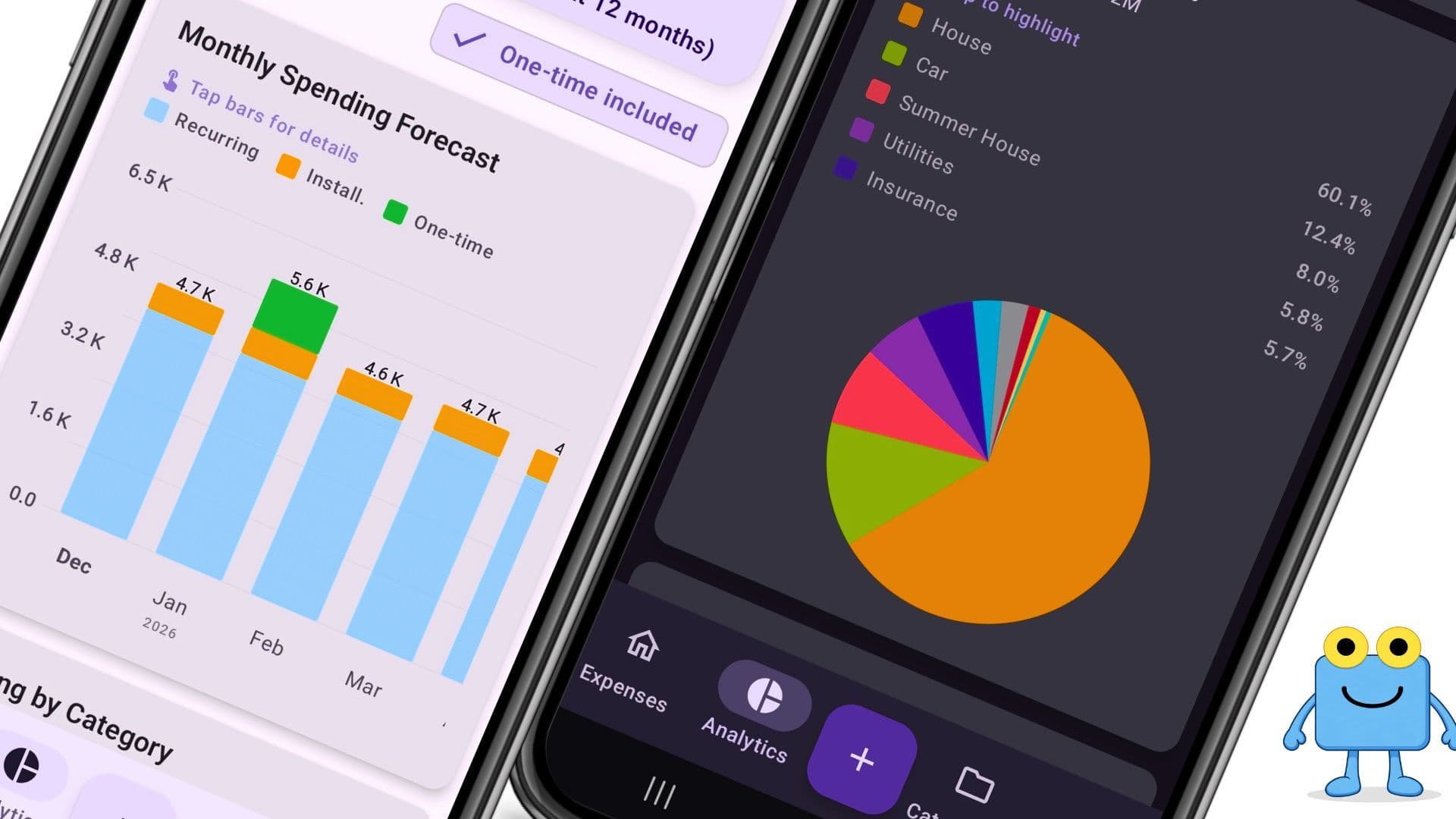
Financial success rarely comes from one big decision. More often, it’s the result of small, repeated actions that keep you aligned with your goals. Among the most effective of these habits is the monthly money check-in—a simple ritual that helps households stay aware, adaptable, and in control.
Unlike annual financial reviews, which can feel overwhelming and come too late to fix problems, a monthly rhythm creates a steady feedback loop. It’s like checking your health vitals: small adjustments today prevent bigger issues tomorrow.
Over time, this habit shifts money management from a reactive scramble into a calm, predictable process.
Human behavior research consistently shows that regular routines reduce stress and improve decision-making. When finances are reviewed monthly, they stop feeling like a looming, uncertain problem and start feeling manageable.
A check-in also combats a common bias: financial drift. Without regular attention, spending patterns slowly change—subscriptions accumulate, small costs rise, and goals fade into the background. A monthly review brings these changes back into focus before they compound.
During a check-in, a household discovers they’re paying for three streaming services they rarely use. Canceling two of them frees up a meaningful monthly amount—money that can now be redirected toward savings.
The key isn’t the amount saved; it’s the awareness created.
A good check-in doesn’t need to be complicated. Most effective sessions revolve around three steps:
Together, these steps create a complete picture of where money went, where you stand, and what’s coming next.
This first step is about understanding reality, not judging it.
By comparing actual spending to your planned budget, patterns become visible. Maybe grocery costs increased due to higher prices, or commuting expenses rose because of seasonal changes. These insights allow you to adjust categories so your budget reflects real life rather than outdated expectations.
A family notices their winter electricity bills are significantly higher than expected. Instead of feeling frustrated each year, they adjust their monthly plan to account for seasonal variation, smoothing their cash flow and avoiding surprises.
Many people naturally do this review when their salary arrives. That timing creates a simple routine: income comes in, then finances get a quick review—whether in a spreadsheet, an app, or a notebook.
Budgets are about the present; goals are about the future. A monthly check-in connects the two.
This step answers questions like:
Seeing progress—even small progress—reinforces motivation. It transforms saving from an abstract intention into visible movement.
A couple trying to build a three-month emergency fund tracks their balance each month. Watching it grow steadily increases their confidence and reduces anxiety about unexpected expenses.
Tracking also prevents goals from fading into the background. Without regular review, it’s easy for daily life to crowd out long-term plans.
The final part of the check-in looks forward.
Instead of reacting to expenses as they appear, you anticipate them. This includes predictable but irregular costs like insurance premiums, birthdays, travel, or school expenses.
Planning ahead spreads these costs across months, making them easier to absorb and reducing stress.
A household knows their car insurance payment is due in three months. By setting aside a small amount each month, they avoid a sudden financial hit and maintain a stable budget.
This forward-looking mindset turns budgeting into a planning tool rather than a restriction.
One reason monthly check-ins succeed is that they become routine. Instead of a stressful event, they turn into a predictable ritual—often taking just 20–30 minutes.
Some households pair the check-in with a cup of coffee on a Sunday morning. Others schedule it for the evening their paycheck arrives. The exact timing matters less than consistency.
Over time, the ritual reduces decision fatigue. You don’t wonder when to review finances—it’s simply part of the month.
For couples and families, the monthly check-in serves another crucial purpose: communication.
Money conflicts often arise not from the numbers themselves but from misaligned expectations. A structured conversation creates a neutral space to discuss priorities, adjustments, and concerns before frustration builds.
One partner wants to prioritize travel while the other prefers saving aggressively. During a check-in, they agree to allocate a small monthly amount toward a travel fund while maintaining their savings plan—turning potential conflict into collaboration.
Regular conversations build transparency and trust, making financial decisions feel shared rather than unilateral.
Modern tools have made monthly reviews faster and more intuitive. Many financial apps now provide:
These tools reduce the time needed for manual calculations and make patterns easier to spot at a glance. Instead of digging through statements, households can focus on decisions.
Technology doesn’t replace the habit—it lowers the friction of maintaining it.
Without regular check-ins, finances often become reactive. Bills arrive, balances fluctuate, and decisions are made under pressure. Monthly reviews reverse this dynamic.
By consistently looking backward and forward, households gain:
This proactive approach reduces surprises and builds a sense of momentum.
Individually, each check-in may seem small. But over years, the cumulative effect is significant.
Monthly awareness helps households:
The habit becomes a quiet stabilizer—one that keeps finances aligned even during busy or uncertain periods.
Monthly money check-ins are not about perfection. They’re about awareness.
By taking a short, consistent pause each month to review, reflect, and plan, households create a system that supports better decisions automatically. The process builds clarity, strengthens communication, and transforms financial management into an ongoing conversation rather than a periodic crisis.
In the end, the power of a monthly check-in lies in its simplicity:
a small habit that keeps your financial life pointed in the right direction.
Sources:

Financial stability is built through ongoing awareness, simple habits, automation, clear goals, and confidence gained from small, consistent actions that gradually create security and freedom.

Automating savings removes reliance on willpower and ensures consistent progress toward financial security by turning saving into a structured, habitual process.

Automating bill payments reduces stress, prevents costly mistakes, and creates a reliable financial foundation by ensuring recurring expenses are paid accurately and on time with minimal mental effort.