Loading...


Insights
Practical tips, user stories, and financial strategies that help you track expenses, organize your finances, and make better spending decisions.
Loading...
We use cookies to analyze website traffic and improve your experience. You can accept or decline analytics cookies. Learn more
Insights
Practical tips, user stories, and financial strategies that help you track expenses, organize your finances, and make better spending decisions.

Most people think saving money is about discipline. In reality, it’s far more about systems.
Households that consistently build wealth rarely rely on motivation alone. Instead, they design an environment where saving happens automatically—before temptation, before decision fatigue, and before life gets in the way. Automation removes the need to be “good with money” every day and replaces it with a structure that works quietly in the background.
In behavioral economics, this idea is powerful because it acknowledges a simple truth: people tend to spend what they see. When cash sits in a checking account, it feels available. When it disappears into savings the moment income arrives, it never enters the mental spending pool.
Automation, in other words, turns saving from an effort into a default.
The core principle behind automated savings is straightforward: pay yourself first.
Before rent, groceries, streaming subscriptions, or spontaneous online purchases, a portion of income is automatically diverted into savings or investments. This reverses the traditional pattern—where people save whatever is left at the end of the month (often nothing).
Consider Lina, who receives a modest salary increase. Instead of letting the extra money blend into everyday spending, she sets an automatic transfer for half of the raise into an investment account.
Within a year, she has accumulated a meaningful sum—without feeling any reduction in her lifestyle. Because she never adjusted her spending upward, the savings felt effortless.
This illustrates one of automation’s biggest advantages: it captures progress before lifestyle inflation absorbs it.
Saving manually requires a decision every time. And decisions cost mental energy.
After a long workday, it’s easy to justify skipping a transfer:
“I’ll do it next month.”
“I deserve a treat.”
“I’ll save when things calm down.”
Automation removes this internal negotiation entirely. Once the system is set, there is no recurring moment of choice—and therefore no moment of resistance.
Behavioral researchers often call this choice architecture: structuring the environment so the best decision happens by default.
One of the most effective ways to strengthen an automated system is to create multiple savings buckets, each with a clear purpose.
When money is pooled into a single account, it’s easy to blur intentions. A vacation fund becomes a gadget fund. A buffer becomes spending money. Clarity prevents this.
Typical automated buckets might include:
A family with a dedicated home and maintenance fund faces a sudden €900 car repair. Instead of using credit or disrupting their monthly budget, the money is already available.
The expense is still inconvenient—but not destabilizing. This is the essence of financial resilience: problems become manageable events rather than crises.
Many people assume saving requires large monthly transfers. In practice, smaller, more frequent contributions are often more sustainable.
Weekly or biweekly transfers align with how people experience income and spending. Psychologically, €25 per week feels lighter than €100 per month—even though the outcome is identical.
Saving €20 per week may feel trivial. But over a year, that’s more than €1,000. Over five years, without even considering investment growth, it becomes a meaningful financial cushion.
Small, automatic contributions work because they are consistent, and consistency compounds.
Modern financial tools have expanded automation beyond simple transfers.
Some apps now:
This evolution shifts automation from static to responsive. Instead of setting a fixed amount and hoping it fits, the system adapts to real life—reducing the risk of overdrafts while maximizing savings.
Beyond financial outcomes, automated savings also reduce anxiety.
Money uncertainty often stems from not knowing whether you’re progressing. When contributions happen automatically, progress becomes predictable. Over time, watching balances grow reinforces a sense of stability and control.
A couple who struggled with irregular saving habits sets up automated transfers into an emergency fund. Six months later, they report feeling noticeably less stressed about unexpected expenses—even though their income hasn’t changed.
The difference isn’t the amount alone; it’s the certainty that they are moving forward.
Over years, automated savings form the backbone of major life milestones:
Because the process is gradual, it often feels almost anticlimactic. There’s no dramatic turning point—just steady accumulation.
This is why automation is sometimes called the “set-and-forget engine” of wealth building. Its power lies not in intensity but in persistence.
Saving manually frames money management as a task—something you must remember and execute. Automation reframes it as an environment where progress happens continuously.
Over time, this shift is profound. People stop thinking of themselves as “trying to save” and start seeing saving as simply how their finances operate.
In this sense, automation doesn’t just change behavior. It changes identity—from reactive spender to intentional planner.
Automated savings succeed because they align with human nature rather than fighting it. They reduce friction, remove emotional decision points, and create steady forward motion regardless of mood or motivation.
What begins as a simple transfer becomes a quiet infrastructure for financial security—one that supports resilience in the short term and opportunity in the long term.
Sources:

Financial stability is built through ongoing awareness, simple habits, automation, clear goals, and confidence gained from small, consistent actions that gradually create security and freedom.
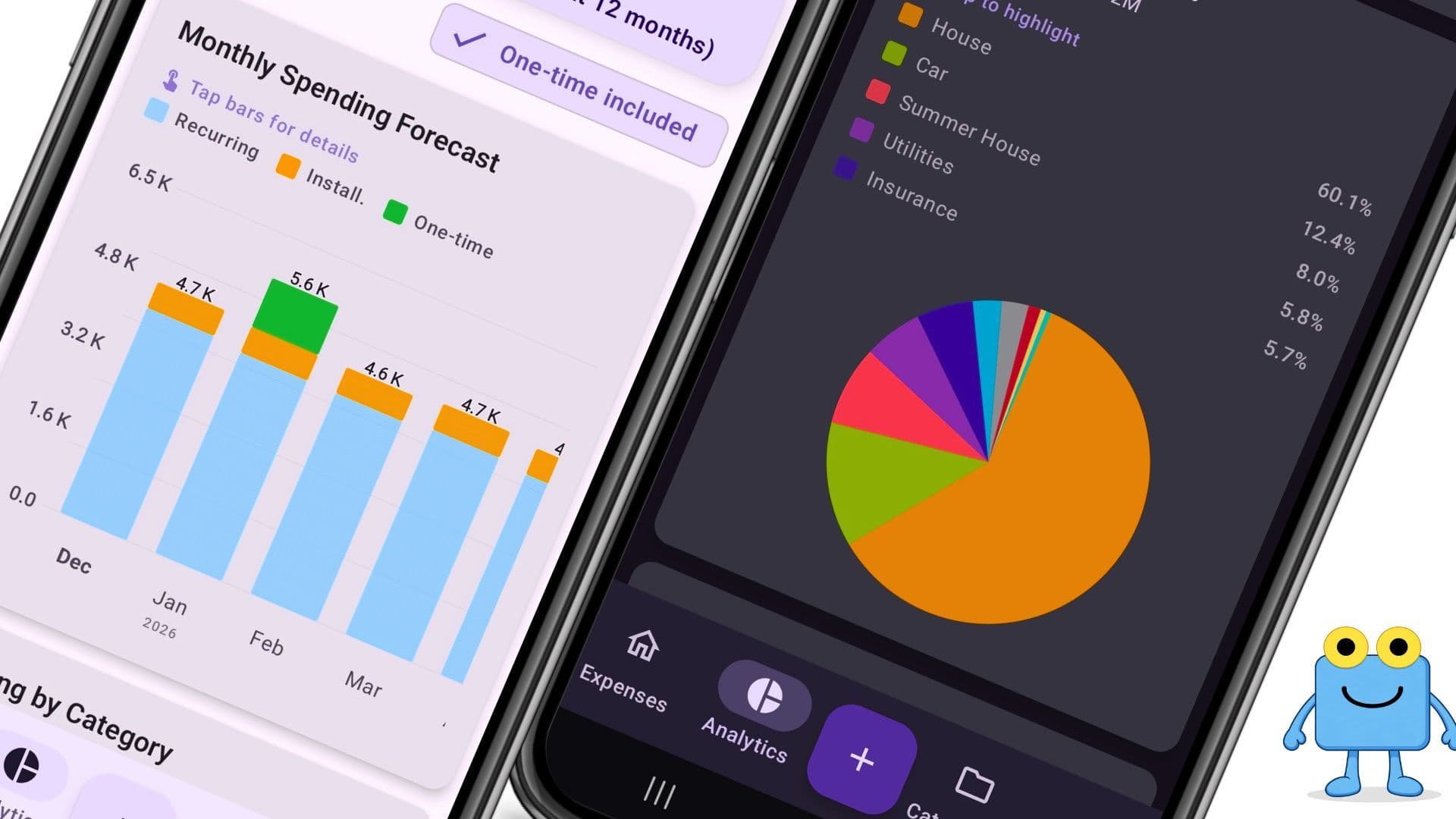
Monthly money check-ins are an essential habit for maintaining financial clarity, preventing overspending, and staying aligned with long-term goals.

Automating bill payments reduces stress, prevents costly mistakes, and creates a reliable financial foundation by ensuring recurring expenses are paid accurately and on time with minimal mental effort.