Loading...


Insights
Practical tips, user stories, and financial strategies that help you track expenses, organize your finances, and make better spending decisions.
Loading...
We use cookies to analyze website traffic and improve your experience. You can accept or decline analytics cookies. Learn more
Insights
Practical tips, user stories, and financial strategies that help you track expenses, organize your finances, and make better spending decisions.

The next decade will bring major transformations in how households manage money. Technology, shifting global markets, demographic changes, and new economic realities will reshape personal finance in ways that make today’s systems seem outdated. Understanding these coming trends helps individuals and families prepare for a rapidly evolving financial landscape.
One of the most significant shifts will be the rise of AI-driven financial assistants. These tools will predict bills, warn about risks, optimize savings, detect fraud, negotiate prices, and manage budgets automatically. Personal finance will become more automated and personalized, reducing the need for manual tracking.
Another trend is the continued growth of the subscription economy. From entertainment to home security to transportation, recurring payments will expand across sectors. This will require stronger subscription management skills and digital tools to avoid overspending.
Global economic uncertainty, climate-related disruptions, and geopolitical tensions will also shape household costs. Energy prices may remain volatile, insurance premiums may rise, and food prices may be influenced by climate impacts. Households will need stronger resilience—larger emergency funds, diversified income streams, and flexible budgets—to navigate these fluctuations.
Demographically, younger generations will continue to delay traditional milestones such as homeownership, marriage, and children due to high living costs. This will shift how financial products are structured, with more flexible mortgages, rental models, and portable benefits emerging.
Another major shift will involve digital currencies and instant payments. Central-bank digital currencies (CBDCs) may become mainstream, making transactions faster and cheaper but requiring households to adapt to new forms of money and security standards.
The decade ahead will reward adaptability. Households that embrace technology, maintain resilience, and continuously update their financial knowledge will thrive. Personal finance will not become easier, but it will become more optimized and more integrated into digital life.
Sources:

Financial stability is built through ongoing awareness, simple habits, automation, clear goals, and confidence gained from small, consistent actions that gradually create security and freedom.
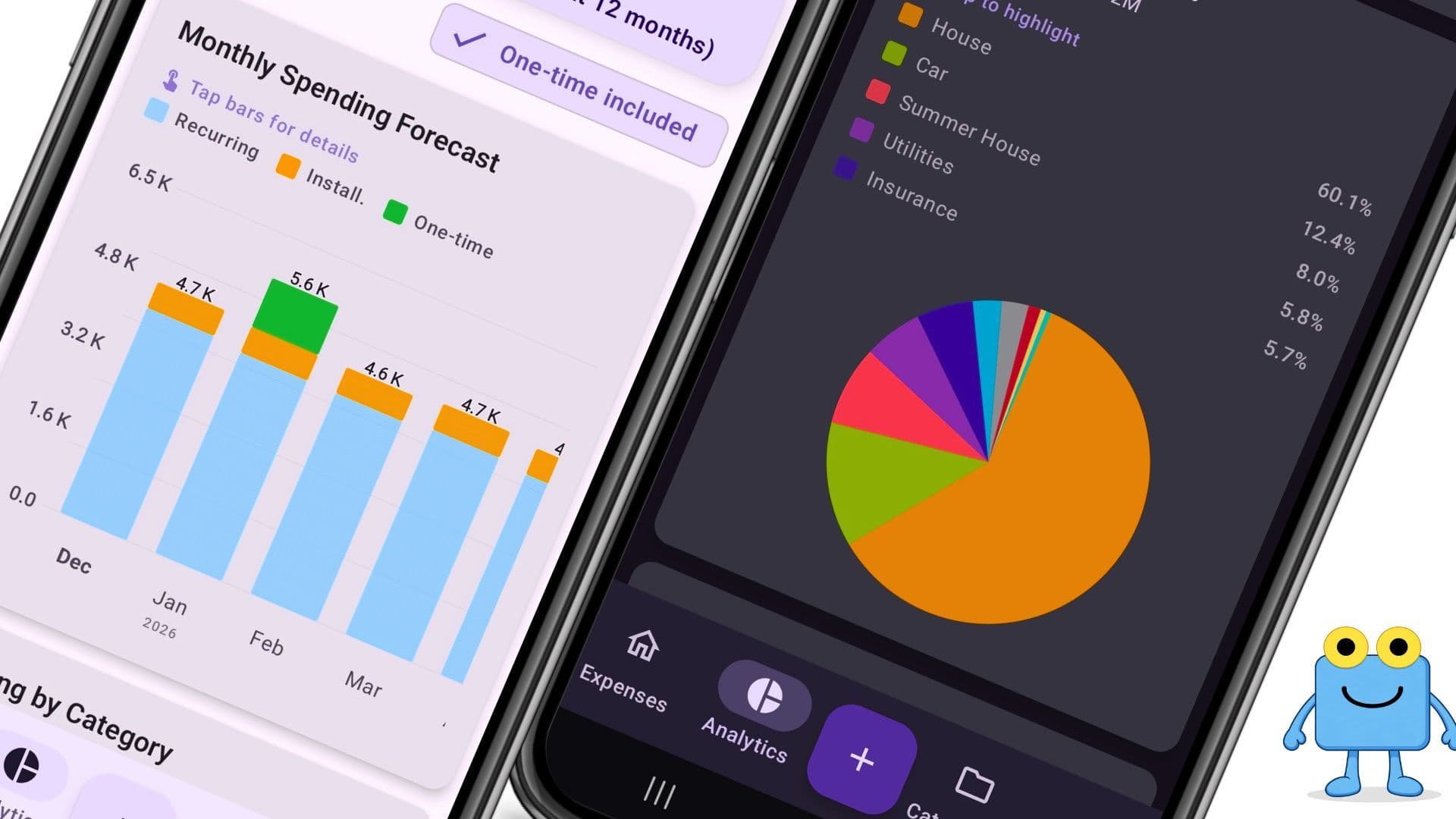
Monthly money check-ins are an essential habit for maintaining financial clarity, preventing overspending, and staying aligned with long-term goals.

Automating savings removes reliance on willpower and ensures consistent progress toward financial security by turning saving into a structured, habitual process.