Loading...


Insights
Practical tips, user stories, and financial strategies that help you track expenses, organize your finances, and make better spending decisions.
Loading...
We use cookies to analyze website traffic and improve your experience. You can accept or decline analytics cookies. Learn more
Insights
Practical tips, user stories, and financial strategies that help you track expenses, organize your finances, and make better spending decisions.

Financially healthy households don’t rely solely on high income or perfect budgeting—they rely on a mindset that balances discipline, flexibility, and long-term thinking. This mindset shapes daily decisions, emotional reactions to money, and the systems families build to manage financial responsibilities. In other words, financially healthy households behave differently because they think differently.
The first component is awareness. Financially healthy families understand their numbers—income, expenses, savings, debts, and obligations. They avoid the “ostrich effect,” the tendency to ignore financial problems. Instead, they face realities early, review their budget consistently, and track progress toward meaningful goals.
The second component is intentionality. These households make money decisions based on values rather than impulses. They plan purchases, compare options, and avoid lifestyle inflation even when their income rises. They also distinguish between needs and wants with clarity, preventing emotional spending from undermining their goals.
A third essential trait is resilience. Financially healthy families build buffers, maintain insurance, diversify income where possible, and prepare for uncertainty. This mindset views savings not as deprivation but as protection—an act of strength, not sacrifice.
Another important dimension is communication. In couples or families, open conversations about money reduce conflict and create shared responsibility. Financially healthy households discuss goals, define roles, and solve problems together rather than hiding spending or maintaining secret debts.
Finally, financially healthy households cultivate long-term thinking. They invest consistently, save for future milestones, and view money as a tool for enabling choices—not as a source of fear or status. They understand that discipline today creates freedom tomorrow.
This mindset is not innate; it is learned. And it can be learned by anyone, regardless of income level. By shifting attitudes and adopting practices rooted in clarity, purpose, and resilience, any household can build a healthier financial future.
Sources:

Financial stability is built through ongoing awareness, simple habits, automation, clear goals, and confidence gained from small, consistent actions that gradually create security and freedom.
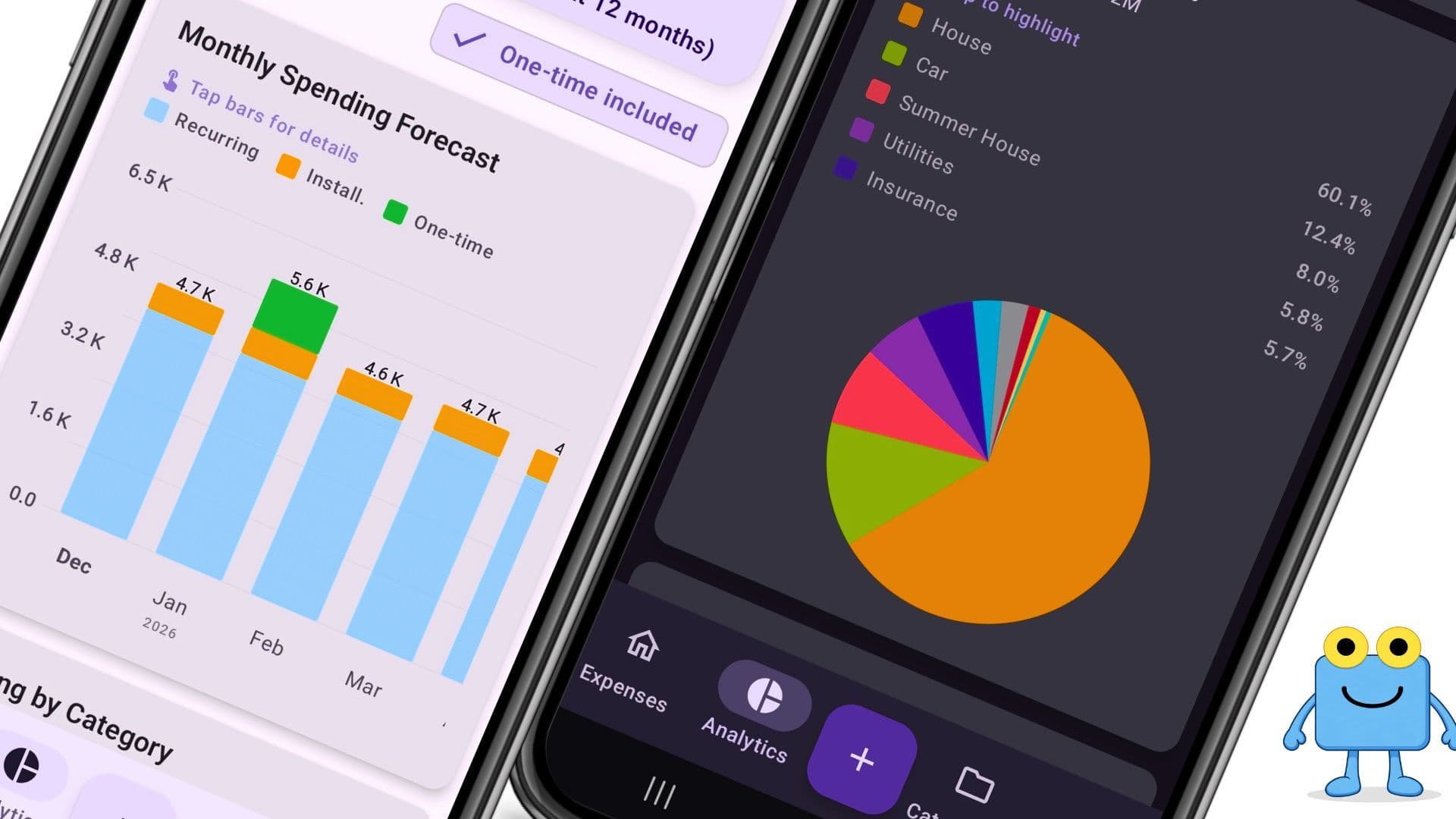
Monthly money check-ins are an essential habit for maintaining financial clarity, preventing overspending, and staying aligned with long-term goals.

Automating savings removes reliance on willpower and ensures consistent progress toward financial security by turning saving into a structured, habitual process.