Loading...


Insights
Practical tips, user stories, and financial strategies that help you track expenses, organize your finances, and make better spending decisions.
Loading...
We use cookies to analyze website traffic and improve your experience. You can accept or decline analytics cookies. Learn more
Insights
Practical tips, user stories, and financial strategies that help you track expenses, organize your finances, and make better spending decisions.

Financial success depends on balancing short-term needs with long-term goals. Many households focus heavily on one dimension while neglecting the other: some prioritize urgent expenses and immediate comfort, while others plan extensively for the future but struggle to manage day-to-day cash flow. Effective financial planning requires a structured approach that integrates both timelines harmoniously.
Short-term planning—typically spanning three to 12 months—focuses on immediate financial health. This includes budgeting, paying bills on time, building a small emergency buffer, managing subscriptions, and controlling discretionary spending. The goal is stability and predictability. Short-term planning helps households remain flexible, avoid debt, and prepare for upcoming predictable expenses, such as seasonal energy bills or school fees.
Long-term planning, in contrast, spans several years or decades. It includes saving for a home, retirement, children’s education, and financial independence. Long-term goals require disciplined habits, such as steady investments, retirement contributions, and major debt repayment strategies. They also depend on compounding—a powerful mechanism through which savings grow exponentially over time. Starting early, even with small amounts, greatly increases long-term success.
The challenge is that short-term demands often feel more urgent. Families may postpone saving or investing because immediate expenses seem more pressing. However, this mindset can hinder long-term wealth creation. Conversely, overly aggressive long-term saving may leave households cash-constrained, increasing reliance on credit cards for emergencies.
The best approach is a dual system:
• A monthly operational plan focused on budgeting and cash flow.
• A strategic long-term plan that defines major life goals, timelines, and investment contributions.
Technology can help bridge the gap. Budgeting apps forecast cash flow, while investment platforms automate long-term contributions. Regular financial check-ins—monthly for short-term, annually for long-term—ensure both sides stay aligned.
Ultimately, balancing short- and long-term planning gives households financial stability today and a strong foundation for the future. It transforms money management from reactive to intentional, empowering families to achieve meaningful life goals without sacrificing present comfort.
Sources:

Financial stability is built through ongoing awareness, simple habits, automation, clear goals, and confidence gained from small, consistent actions that gradually create security and freedom.
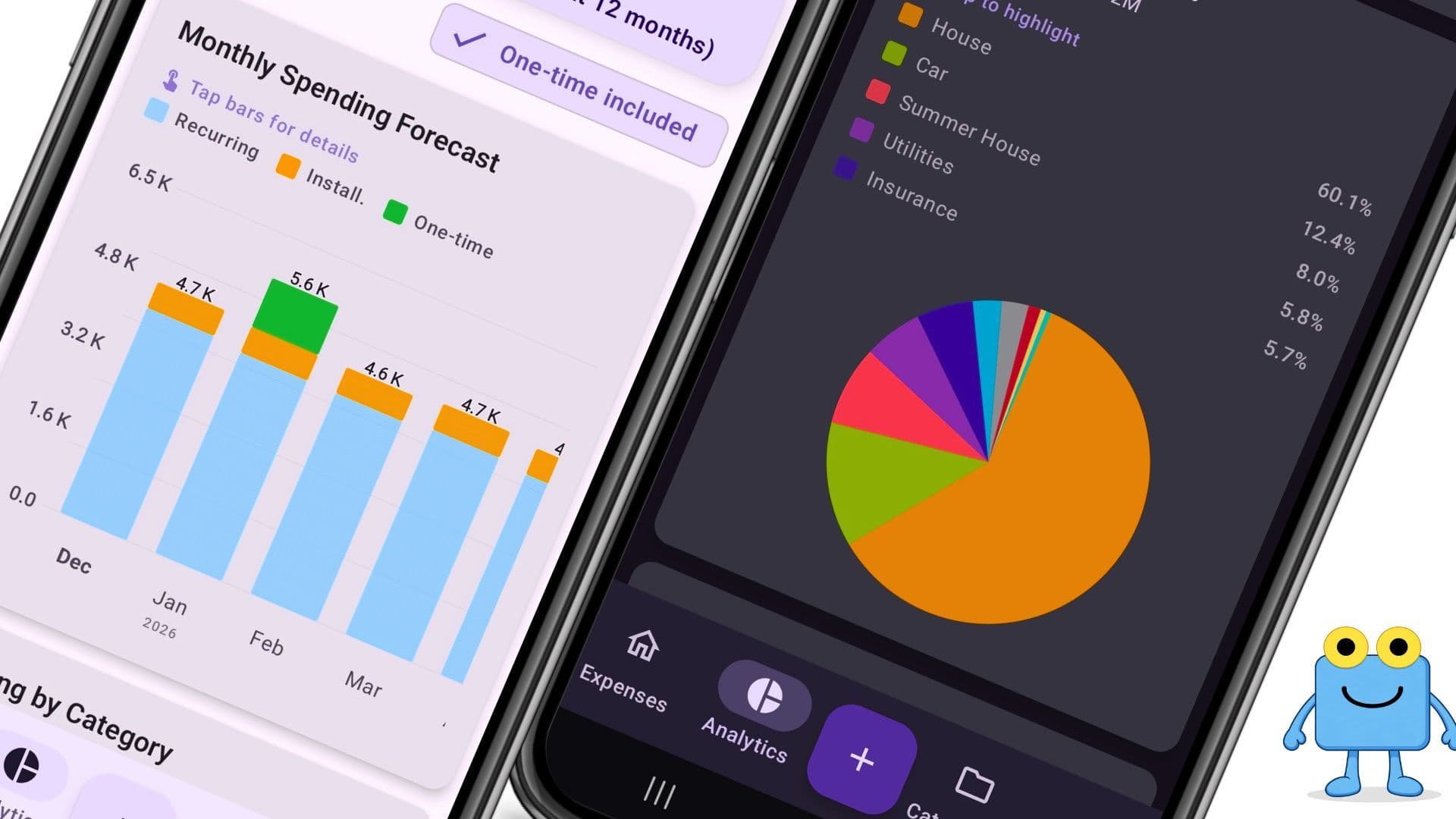
Monthly money check-ins are an essential habit for maintaining financial clarity, preventing overspending, and staying aligned with long-term goals.
Automating savings removes reliance on willpower and ensures consistent progress toward financial security by turning saving into a structured, habitual process.