Loading...


Insights
Practical tips, user stories, and financial strategies that help you track expenses, organize your finances, and make better spending decisions.
Loading...
We use cookies to analyze website traffic and improve your experience. You can accept or decline analytics cookies. Learn more
Insights
Practical tips, user stories, and financial strategies that help you track expenses, organize your finances, and make better spending decisions.
Measuring financial progress is a central component of long-term stability and goal achievement. Without tracking metrics, it becomes impossible to know whether a budget is working, spending habits are improving, or savings goals are on course. Financial measurement is not just about numbers; it is about creating awareness, accountability, and informed decision-making.
The first step is identifying key indicators that truly reflect financial health. These typically include savings rate, debt-to-income ratio, emergency fund size, investment contributions, monthly spending patterns, and subscription usage. Tracking these indicators monthly provides a realistic view of how finances change over time.
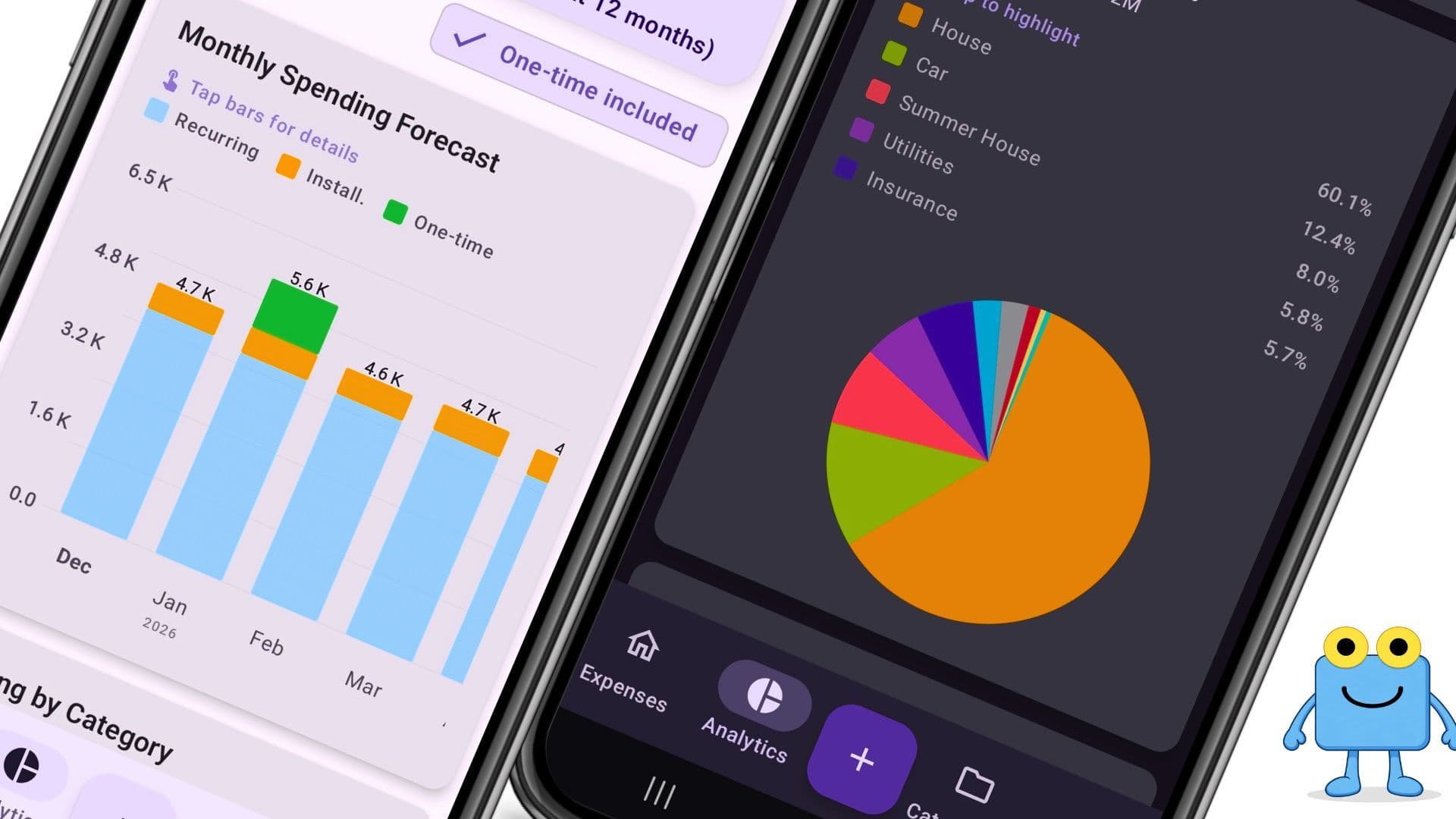
A visual approach often works best. Charts, dashboards, and trend lines reveal patterns that might otherwise go unnoticed. Sudden spikes in dining-out costs, seasonal energy increases, or irregular school fees become more visible when displayed graphically. Many budgeting apps now include automated analytics that interpret these changes and provide personalized feedback.
Progress measurement must be flexible. Financial journeys are rarely linear; unexpected expenses, income fluctuations, and life transitions influence outcomes. Instead of rigid targets, households benefit from range-based goals—for example, maintaining a savings rate between 15–20% rather than hitting an exact number every month. This approach reduces pressure while maintaining direction.
Quarterly reviews are particularly valuable. They create space to evaluate decisions, adjust budgets, revise goals, and address emerging challenges. Annual reviews provide the big-picture perspective: growth in net worth, debt reduction, investment gains, and long-term goal completion.
The psychological benefits are equally important. Seeing measurable progress builds motivation and reinforces good habits. When families recognize improvement—even small gains—they are more likely to stay committed. Tracking progress replaces guesswork with clarity and transforms financial management into a structured, proactive system.
Sources:

Financial stability is built through ongoing awareness, simple habits, automation, clear goals, and confidence gained from small, consistent actions that gradually create security and freedom.
Monthly money check-ins are an essential habit for maintaining financial clarity, preventing overspending, and staying aligned with long-term goals.

Automating savings removes reliance on willpower and ensures consistent progress toward financial security by turning saving into a structured, habitual process.