Loading...


Insights
Practical tips, user stories, and financial strategies that help you track expenses, organize your finances, and make better spending decisions.
Loading...
We use cookies to analyze website traffic and improve your experience. You can accept or decline analytics cookies. Learn more
Insights
Practical tips, user stories, and financial strategies that help you track expenses, organize your finances, and make better spending decisions.

Celebrating financial milestones is important: it reinforces discipline, builds motivation, and strengthens confidence. However, celebrations can quickly become counterproductive if they undermine the very progress they acknowledge. For many households, the challenge is finding ways to reward achievements without falling into the trap of overspending.
The key is shifting the concept of celebration from consumption to experience or meaning. Traditional reward systems—expensive dinners, shopping sprees, or luxury purchases—create short-term pleasure but long-term setbacks. Instead, households can choose low-cost or no-cost celebrations that feel rewarding without harming budgets. Examples include a home-cooked themed dinner, a movie night, a weekend hike, or a symbolic gesture like tracking financial milestones visually on a “goal board.”
Aligning celebrations with values is essential. If a family prioritizes time together, activities should reflect that. If personal wellness is a goal, a yoga class or wellness day at home might be more fitting. Rewards that reinforce long-term goals create a positive feedback loop, whereas rewards that contradict goals create friction.
Another strategy is budgeting for celebrations. Just as households budget for groceries or utilities, they can allocate a small category for milestone rewards. This ensures celebration remains intentional rather than impulsive. The amount can be proportional to the milestone—for example, 1–2% of the total saved or achieved.
Delayed gratification also enhances the joy of celebration. Instead of rewarding every small achievement, families may choose to celebrate major milestones: paying off a credit card, saving the first €1,000 of an emergency fund, or hitting a yearly savings target. This builds anticipation and makes the experience feel more meaningful.
Ultimately, celebrating wisely reinforces the household’s financial identity. It says: “We honor our progress without compromising our goals.” This mindset helps families maintain momentum, enjoy the journey, and build a positive emotional relationship with money.
Sources:

Financial stability is built through ongoing awareness, simple habits, automation, clear goals, and confidence gained from small, consistent actions that gradually create security and freedom.
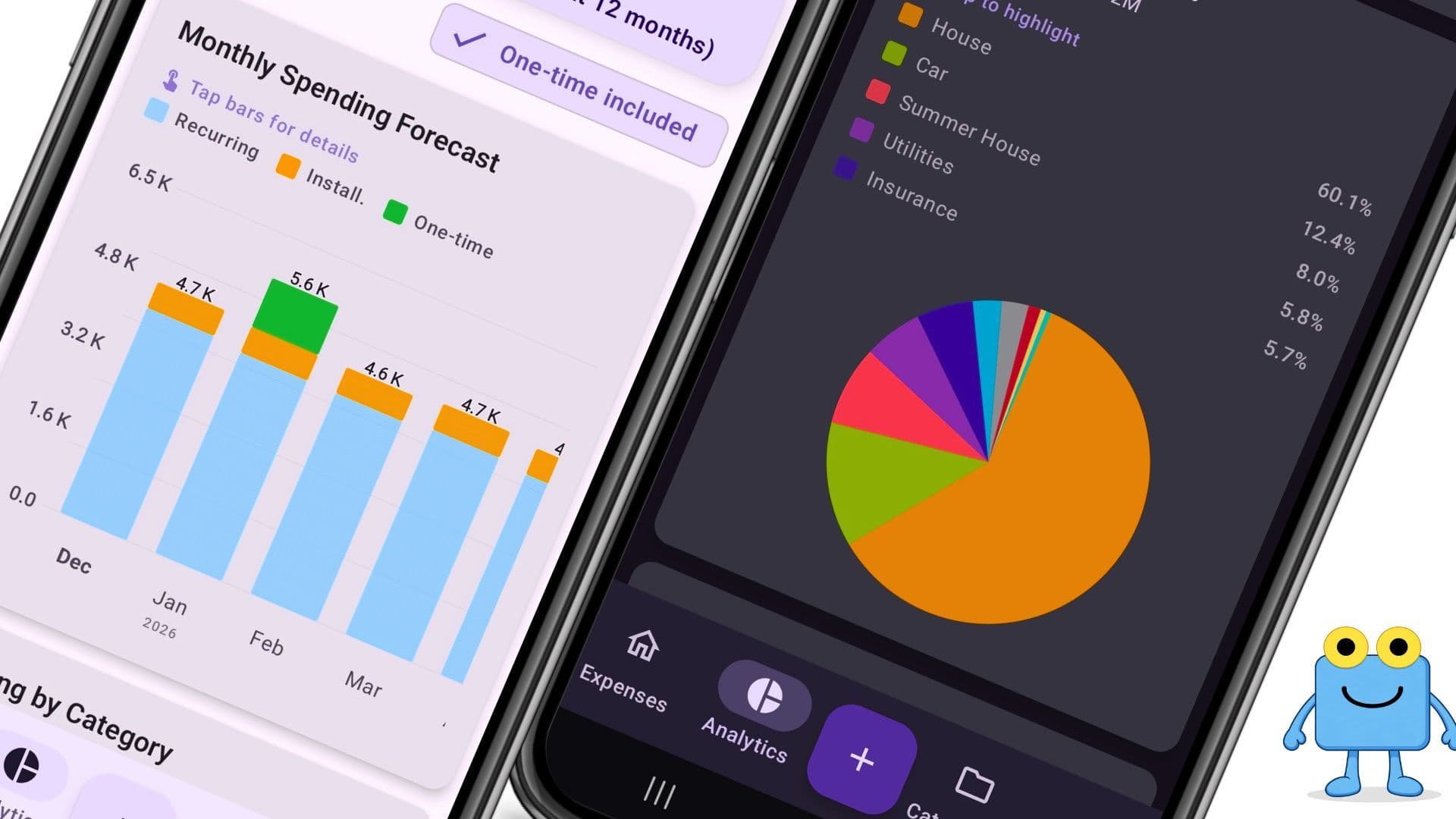
Monthly money check-ins are an essential habit for maintaining financial clarity, preventing overspending, and staying aligned with long-term goals.

Automating savings removes reliance on willpower and ensures consistent progress toward financial security by turning saving into a structured, habitual process.