Loading...


Insights
Practical tips, user stories, and financial strategies that help you track expenses, organize your finances, and make better spending decisions.
Loading...
We use cookies to analyze website traffic and improve your experience. You can accept or decline analytics cookies. Learn more
Insights
Practical tips, user stories, and financial strategies that help you track expenses, organize your finances, and make better spending decisions.
Category
17 articles in this category

This article explains why even people with good incomes lose control of their money today. It shows how stress, too many things to manage, and modern apps and systems make it easy to get confused and overspend.

This article breaks down how the dopamine reward loop shapes everyday decisions and why today’s fast, digital world makes us more vulnerable to impulse spending and borrowing.

This article explains how subscription tracking apps are evolving and why the growing subscription economy is increasing demand for simple ways to manage recurring expenses.
Social media shapes what we see and buy. Most of it happens without us noticing.
Free trials and micro-payments feel harmless, but they exploit predictable biases in how we value “free,” avoid losses, and underestimate small repeated costs.

Christmas is a perfect storm for impulse spending, and for many people the most effective solution is not buying less, but setting clear rules—such as skipping adult gifts altogether.

We don’t buy things we don’t need because we’re weak—we buy them because our brains love a quick emotional hit and marketers know exactly which buttons to push.

This case study shows how a modern family can naturally reach 27 subscriptions across work, school, entertainment, health, and convenience. In today’s digital world, this is common and reflects everyday life rather than overspending.

The article explains how consumers can identify hidden recurring payments by gradually listing subscriptions and automatic expenses in a simple tool like Excel, an app, or even on paper.

The article explains practical steps for adjusting a budget after unexpected expenses by reviewing spending, using emergency savings, and temporarily modifying financial priorities.
The global subscription economy is rapidly growing—now worth hundreds of billions of dollars—with most consumers holding multiple subscriptions and spending over $1,500 per year.

The article reviews different tools for tracking expenses—including spreadsheets, budgeting apps, and AI tools—highlighting popular apps.
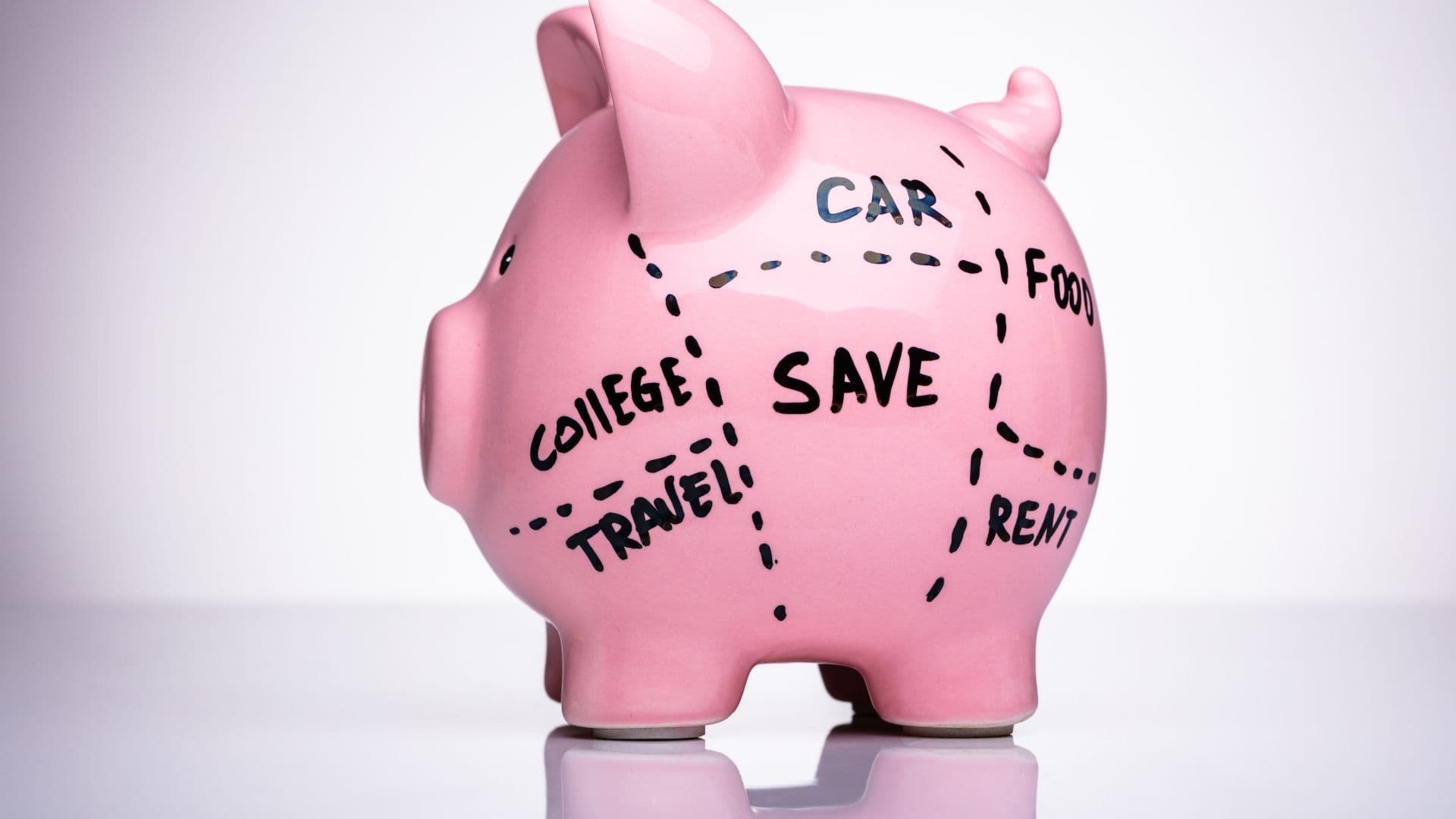
The article explains simple budgeting categories—such as housing, food, transportation, subscriptions, lifestyle spending, and savings—to help people organize expenses and better understand their spending.
The article compares traditional cash-based budgeting with modern digital tools and explains why many people still prefer physical money despite growing digital payments.

This article explains three popular budgeting methods — 50/30/20, zero-based budgeting, and the envelope system — and compares their structure, psychological impact, and suitability for different financial personalities.

In personal finance, no habit is more powerful—or more underrated—than delayed gratification. It is the ability to resist a smaller immediate reward in order to gain a larger, more meaningful reward later.

The article shows how a seemingly small daily expense—such as a €5 coffee—can accumulate to around €180 per month and over €2,000 per year, illustrating how small recurring habits can significantly impact personal finances.