Loading...


Insights
Practical tips, user stories, and financial strategies that help you track expenses, organize your finances, and make better spending decisions.
Loading...
We use cookies to analyze website traffic and improve your experience. You can accept or decline analytics cookies. Learn more
Insights
Practical tips, user stories, and financial strategies that help you track expenses, organize your finances, and make better spending decisions.
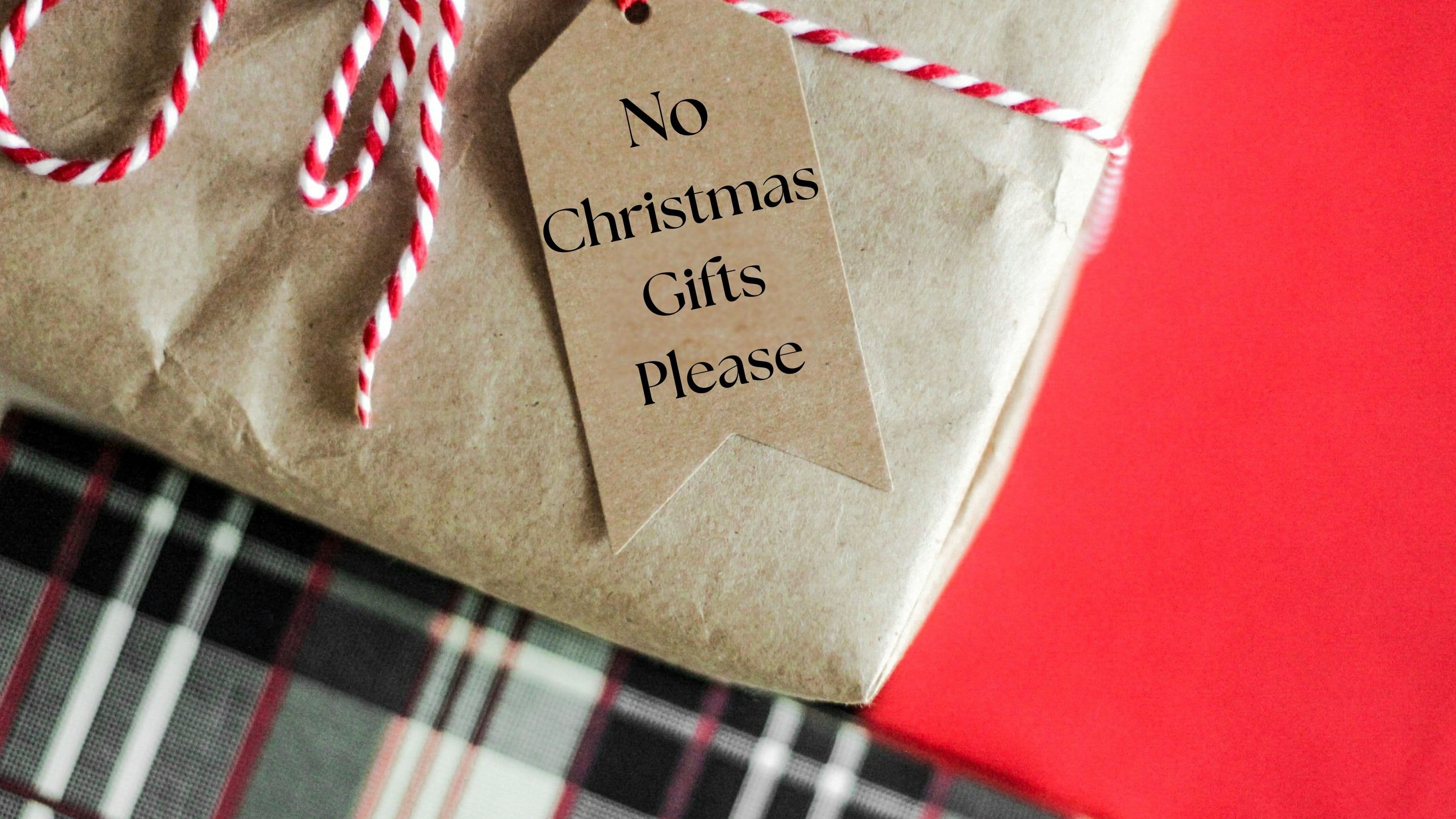
There is no better example of impulse-driven shopping than the Christmas season. December is already demanding: work deadlines, family logistics, travel planning—and let’s not forget Christmas baking and Christmas Eve meal preparations. Adding gift shopping on top of all this increases mental load and makes impulse spending far more likely. After all, most people don’t buy Christmas presents two months in advance.

While we enjoy the Christmas mood and festive spirit, there is often a quiet pressure in the background—the financial pressure. Christmas gift-giving has expanded alongside global consumerism, turning what was once a symbolic tradition into something much larger and more expensive. And this is where a new, slightly extreme idea appears—one that may sound grumpy at first: some people stop buying Christmas presents altogether, often with one clear exception—children.
It may sound radical, but the idea is gaining traction. At its core, this approach is about making shopping impulse-proof.
Many people approach Christmas with the intention to “spend less this year.” In practice, this rarely works. A small gift doesn’t feel like a real expense. Then another small gift appears. And another. Discounts are everywhere, and last-minute buying feels safer than showing up empty-handed.
Before we realize it, those “small” purchases add up. What was meant to be moderation slowly turns into impulse spending disguised as good intentions.
Small gifts are often seen as a compromise between generosity and restraint. In reality, they are often the biggest trigger for impulse buying. They’re easy to justify, easy to accumulate, and frequently deliver little value to the recipient.
Many adults openly admit they would rather receive nothing than a symbolic item chosen under pressure—something they don’t need and will never use. By removing small gifts entirely, people avoid clutter, awkward gratitude, and the unspoken pressure to reciprocate. If people themselves admit they don’t need these items, the question becomes simple: why bother?
Gift exchanges are meant to strengthen relationships, yet they often introduce silent comparison. People worry about whether their gift is good enough, expensive enough—and whether it can be exchanged after Christmas.

The most awkward situations often involve buying for someone you see only once a year, or for the first time on Christmas Eve.
Most of us care deeply about how we’re perceived, and these gifts become emotionally demanding. Of course, some people genuinely don’t mind and buy whatever feels right—but for most, gift shopping involves time, overthinking, and stress.
Most people who stop buying Christmas presents still choose to give gifts to children. This exception works because it is clear, intentional, and widely accepted. Children experience high emotional value from presents, and adults genuinely enjoy being part of that joy.
In this way, the Christmas spirit remains intact—after all, Santa is still here.
A common rule becomes: presents for kids only. Because the exception is defined in advance, it doesn’t reopen the door to impulse decisions.

Stopping gift shopping doesn’t mean canceling Christmas. Many people replace presents with shared meals, handwritten cards, quality time, or contributions to shared experiences. Others choose charitable donations instead of physical gifts.
These alternatives preserve the emotional signal of care without triggering consumption or comparison. Importantly, they don’t escalate from year to year, making them much easier to sustain long-term.
Many people continue buying presents simply because they believe it’s expected. Yet when someone introduces a no-gift rule, the response is often relief rather than resistance. Once an alternative is normalized, others feel permission to step away from a tradition that no longer serves them.
Impulse-proof shopping isn’t about self-control. It’s about structure. For some people, the most effective structure at Christmas isn’t buying less—but not buying at all, or buying only for children.
By replacing vague intentions with clear rules, people regain control over their spending, reduce stress, and often rediscover a quieter, more intentional version of Christmas.

This article explains why even people with good incomes lose control of their money today. It shows how stress, too many things to manage, and modern apps and systems make it easy to get confused and overspend.

This article breaks down how the dopamine reward loop shapes everyday decisions and why today’s fast, digital world makes us more vulnerable to impulse spending and borrowing.

This article explains how subscription tracking apps are evolving and why the growing subscription economy is increasing demand for simple ways to manage recurring expenses.