Loading...


Insights
Practical tips, user stories, and financial strategies that help you track expenses, organize your finances, and make better spending decisions.
Loading...
We use cookies to analyze website traffic and improve your experience. You can accept or decline analytics cookies. Learn more
Insights
Practical tips, user stories, and financial strategies that help you track expenses, organize your finances, and make better spending decisions.
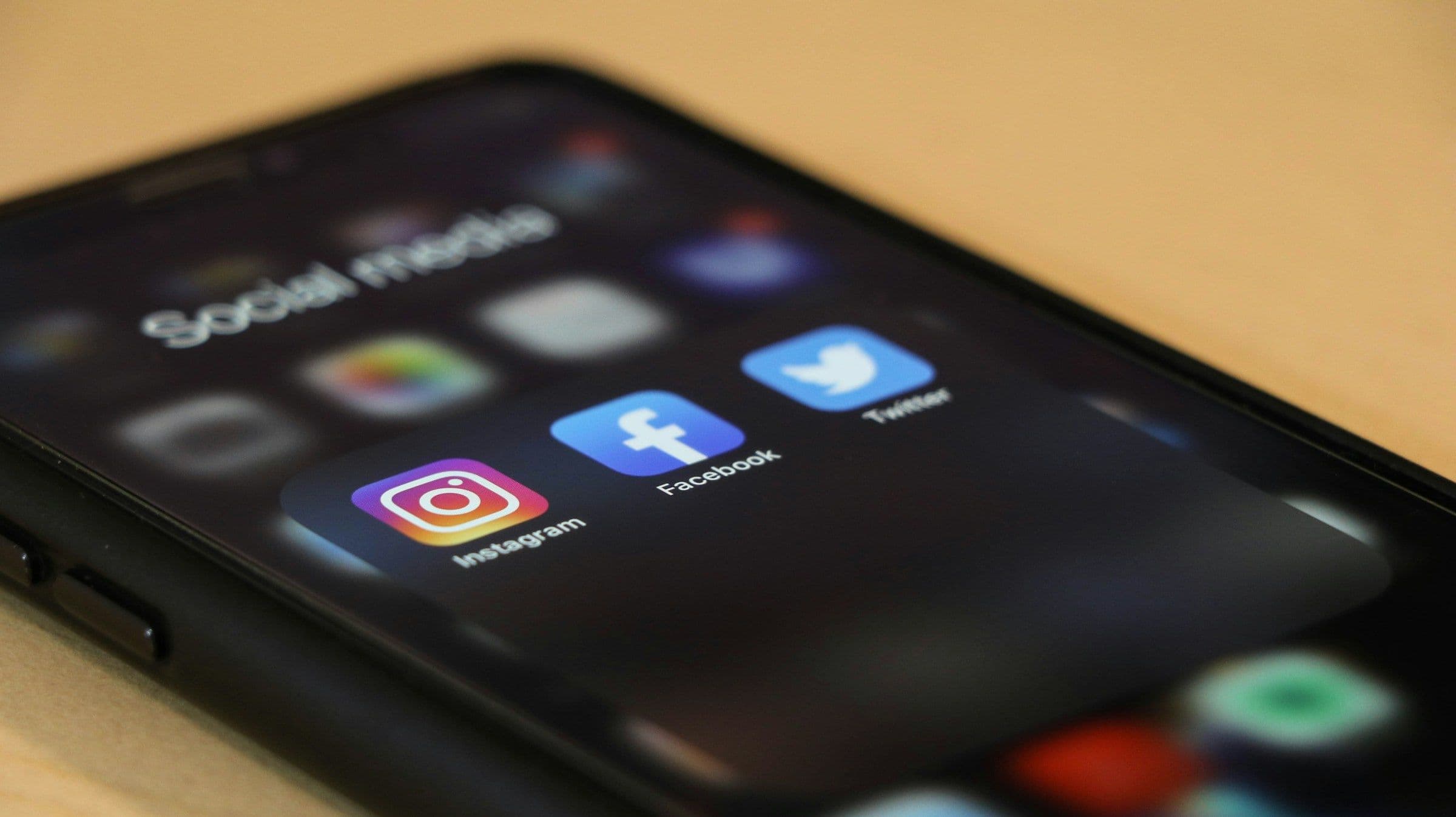
Social media platforms are built around one core goal: capturing and holding your attention. Targeted advertising is simply the most visible outcome of that system.
If a platform is free, you are not the customer.
YOU ARE THE PRODUCT.
Your attention is:
Targeted ads are simply the visible tip of a much larger system designed to keep you engaged.

Social platforms don’t sell ads in the traditional sense.
They sell access to your attention.
The longer you stay on a platform:
That’s why success isn’t measured by how informed or satisfied you feel — but by how long you stay and how often you engage.
Most high-performing ads use at least one of the following principles:
Pattern interruption
Movement in the first second. Unexpected visuals. Sudden cuts. Anything that breaks the rhythm of scrolling.
Emotional triggers
Fear, curiosity, desire, relief, or belonging. Emotional reactions are processed faster than rational ones.
Personal language
“You.”
“People like you.”
“If you live in [your city].”
Personal relevance instantly increases attention.

Native appearance
The most effective ads don’t look like ads. They look like normal posts, stories, or casual phone videos — familiar, imperfect, relatable.
Platforms track what you do:
How you behave
Who you resemble
Even if you don’t interact much, platforms compare your behavior to millions of others. If people with similar patterns buy or click on something, you’ll likely see the same ads. This is called lookalike modeling.

Algorithms don’t ask:
“Is this good for the user?”
They ask:
“Will this keep the user here longer?”
They optimize for:
Every action you take becomes a data point. Every pause trains the system. Over time, your feed becomes more aligned with what triggers you emotionally — not necessarily what informs or benefits you.
Can You Completely Avoid Targeting? No.
If you use Facebook, Instagram, TikTok, YouTube, etc., targeting is part of the system. Even if:
Your passive behavior (scroll speed, watch time, pauses) is still enough.
Algorithms learn from signals.
You can’t stop signals entirely, but you can change their quality.
Engagement = training data.
That means:
Even negative engagement (“this is stupid”) helps the algorithm.
If an ad is tempting, close the app instead. That breaks the loop.
On:
Use it especially on:

This is the single strongest protection against ad manipulation.
If you see something and want it:
This:
Targeting works best when you’re:
That’s not random.
That’s when your brain’s self-control is weakest.


Before opening an app, decide:
If there’s no answer → don’t open it.
Algorithms hate endings. Humans need them.
Try:
I hope these tips help you understand how social media really works and encourage you to take back control of your attention. Don’t become the product of endless scrolling — use social media with intent, stay mindful, and choose consciously instead of reacting to everything you see.
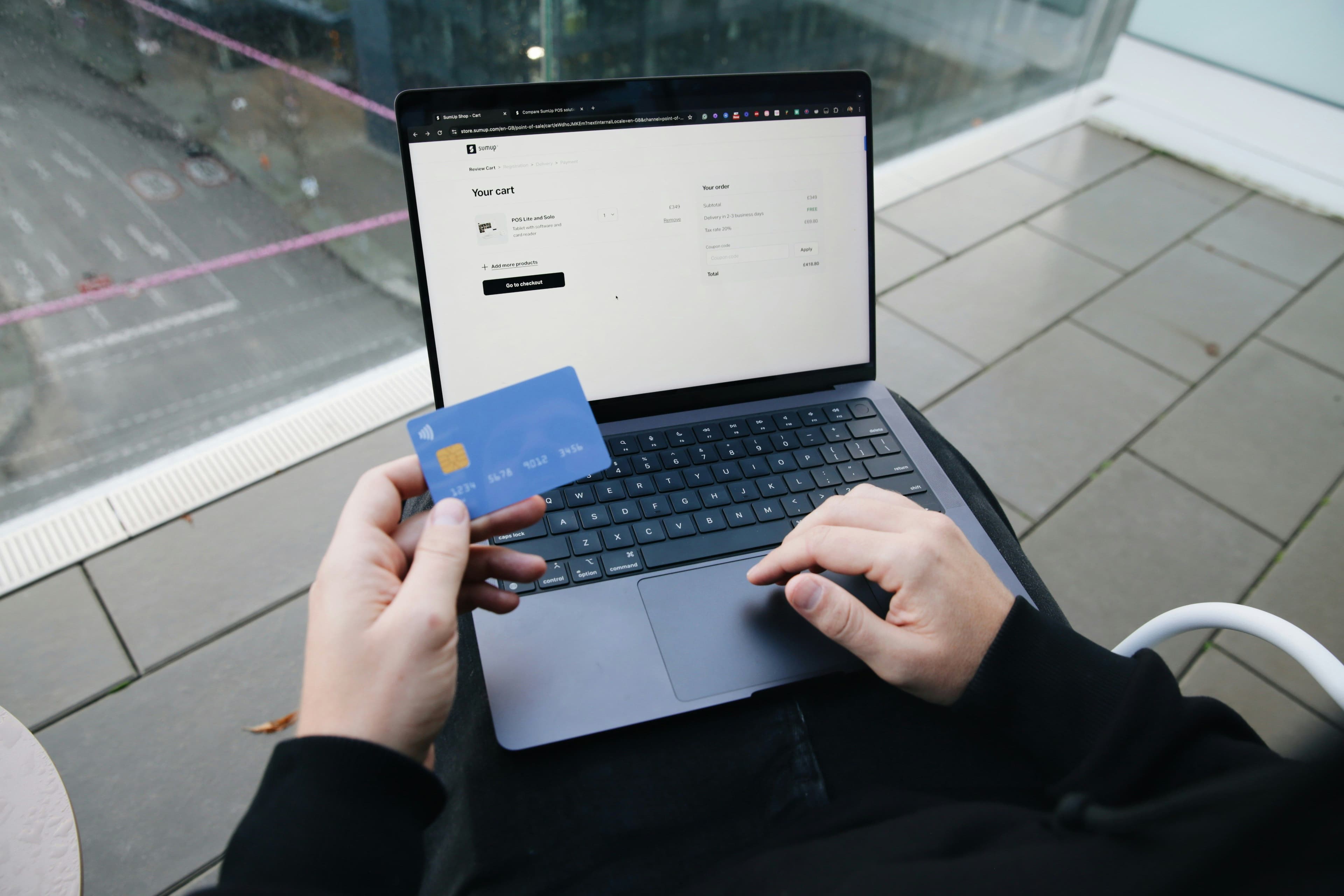
This article explains why even people with good incomes lose control of their money today. It shows how stress, too many things to manage, and modern apps and systems make it easy to get confused and overspend.

This article breaks down how the dopamine reward loop shapes everyday decisions and why today’s fast, digital world makes us more vulnerable to impulse spending and borrowing.
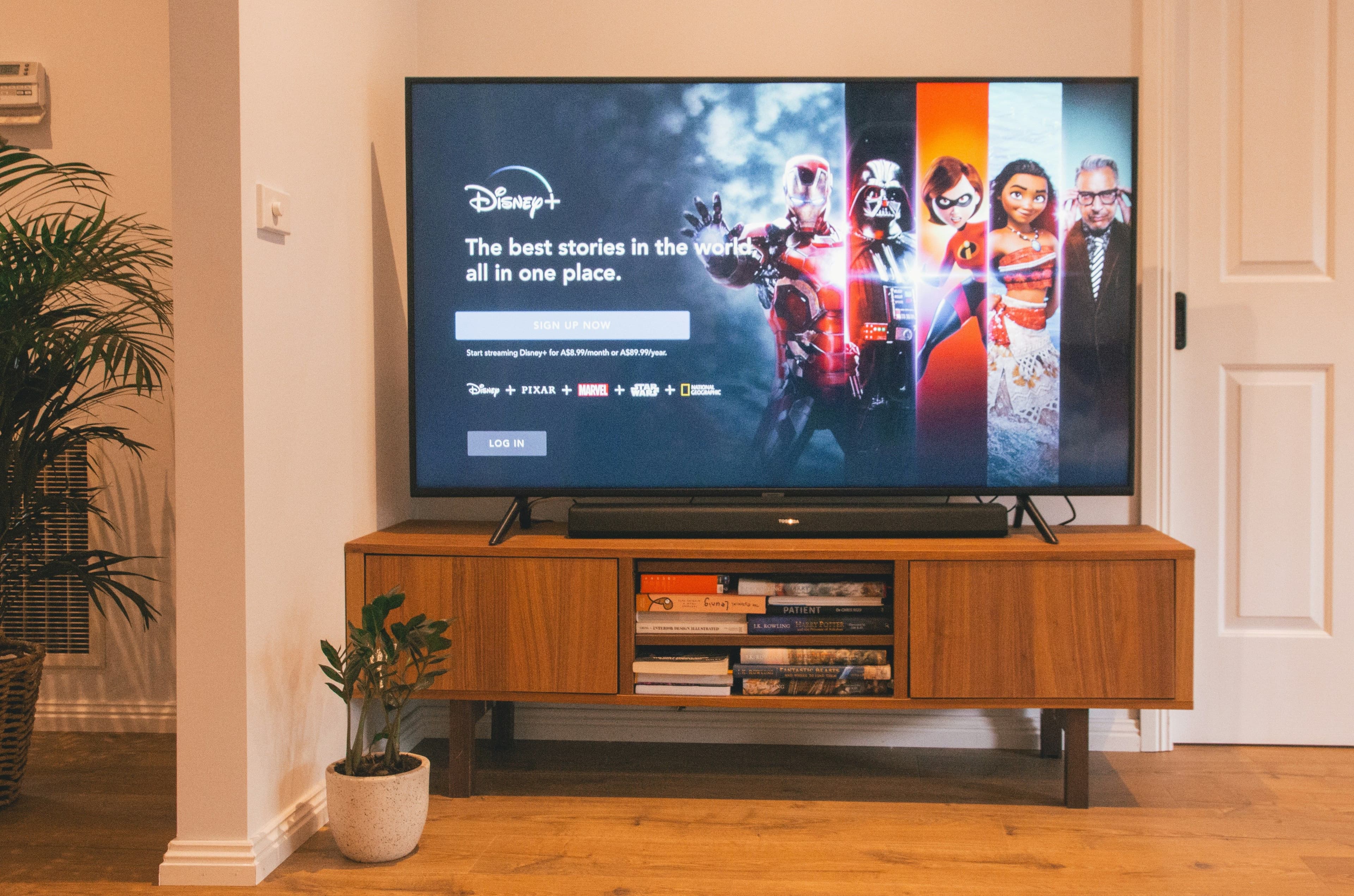
This article explains how subscription tracking apps are evolving and why the growing subscription economy is increasing demand for simple ways to manage recurring expenses.