Loading...


Insights
Practical tips, user stories, and financial strategies that help you track expenses, organize your finances, and make better spending decisions.
Loading...
We use cookies to analyze website traffic and improve your experience. You can accept or decline analytics cookies. Learn more
Insights
Practical tips, user stories, and financial strategies that help you track expenses, organize your finances, and make better spending decisions.
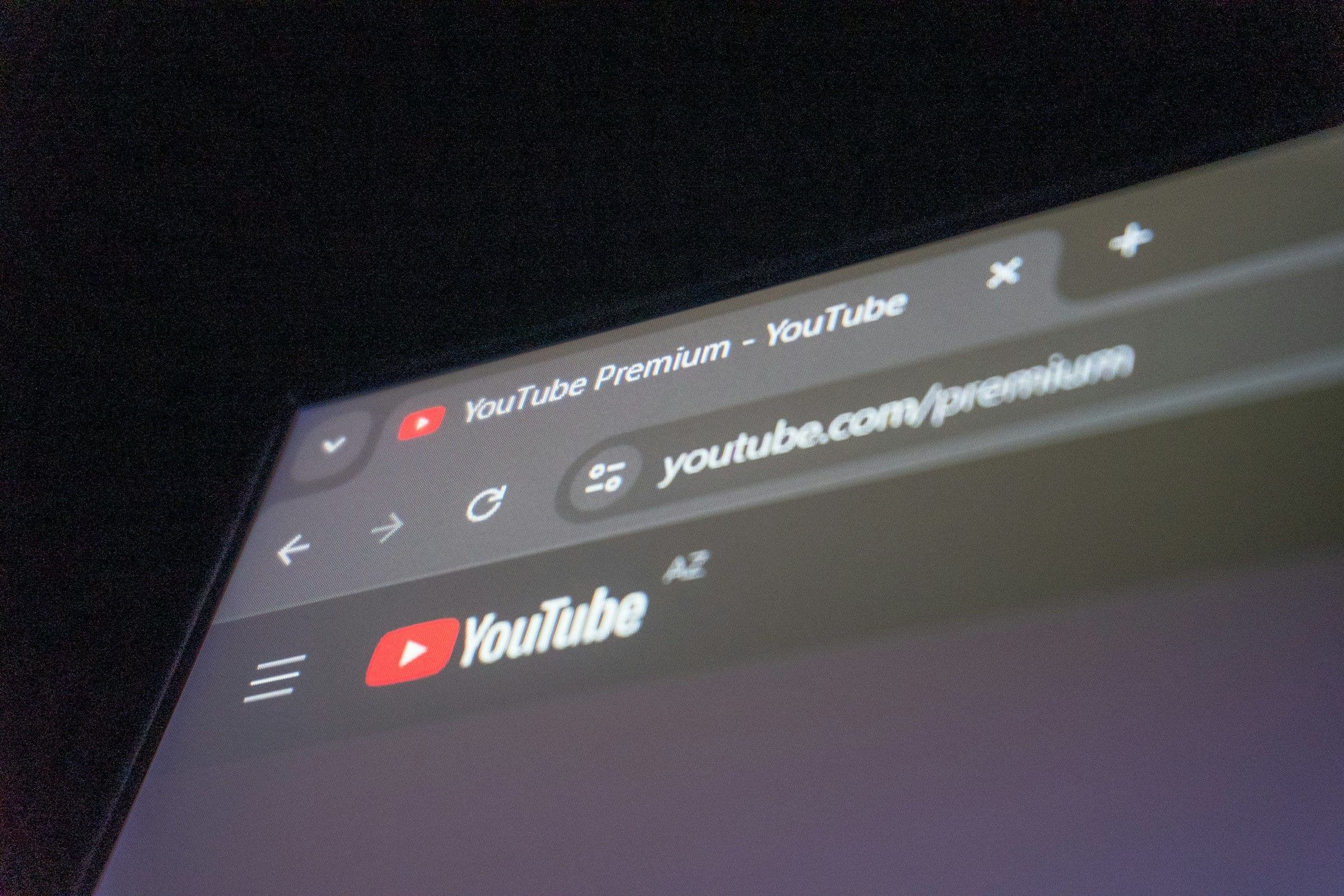
Over the past decade, the global economy has quietly shifted toward a subscription-based model. What started with magazines and newspapers has expanded into almost every aspect of daily life—from streaming platforms and fitness apps to meal kits, software, and even cars. Today, many people don’t “buy” products anymore; instead, they subscribe to services that renew automatically each month.
This transformation is often called the “subscription economy.” And the numbers show just how quickly it has grown.
The subscription economy has expanded at an extraordinary pace in recent years. The global market was estimated at about $492 billion in 2024 and is expected to surpass $555 billion in 2025, with projections reaching over $1.5 trillion by the early 2030s.
Some analyses suggest even stronger growth. The market could reach $1.9 trillion by 2035, growing at a compound annual rate of about 13%.
The trend is visible across industries:
In fact, subscription-based companies have grown about five times faster than companies in the S&P 500 over the past decade.
Subscription services have become deeply embedded in everyday life.
Recent global statistics show that:
This shift reflects a major change in consumer behavior. Instead of owning products outright, people increasingly prefer ongoing access and convenience.
For companies, subscription models are extremely attractive. Recurring payments create predictable revenue and stronger customer relationships.
Research shows that subscription customers can generate 3–5 times more lifetime revenue than one-time buyers.
Because of this, many industries are moving toward subscription-style pricing:
Even traditional industries—like automotive, healthcare, and insurance—are experimenting with subscription offerings.
However, the rise of subscription culture also has a darker side. With dozens of services charging automatically each month, many consumers lose track of their spending.
Studies show that over half of consumers canceled at least one subscription in the past year, often because they were no longer using it.
Financial experts increasingly warn about “subscription fatigue”—a situation where consumers feel overwhelmed by recurring payments.
This trend has even created a new category of financial tools: subscription-tracking apps that help users monitor and cancel unused services.
Despite concerns about subscription overload, the model shows no signs of slowing down. As digital services expand and companies prioritize recurring revenue, subscriptions will likely become an even bigger part of everyday spending.
For consumers, the challenge will be learning to manage this new financial habit—making sure convenience doesn’t quietly turn into unnecessary monthly costs.
In other words, the subscription economy may be convenient, but financial awareness is becoming more important than ever.
Sources:
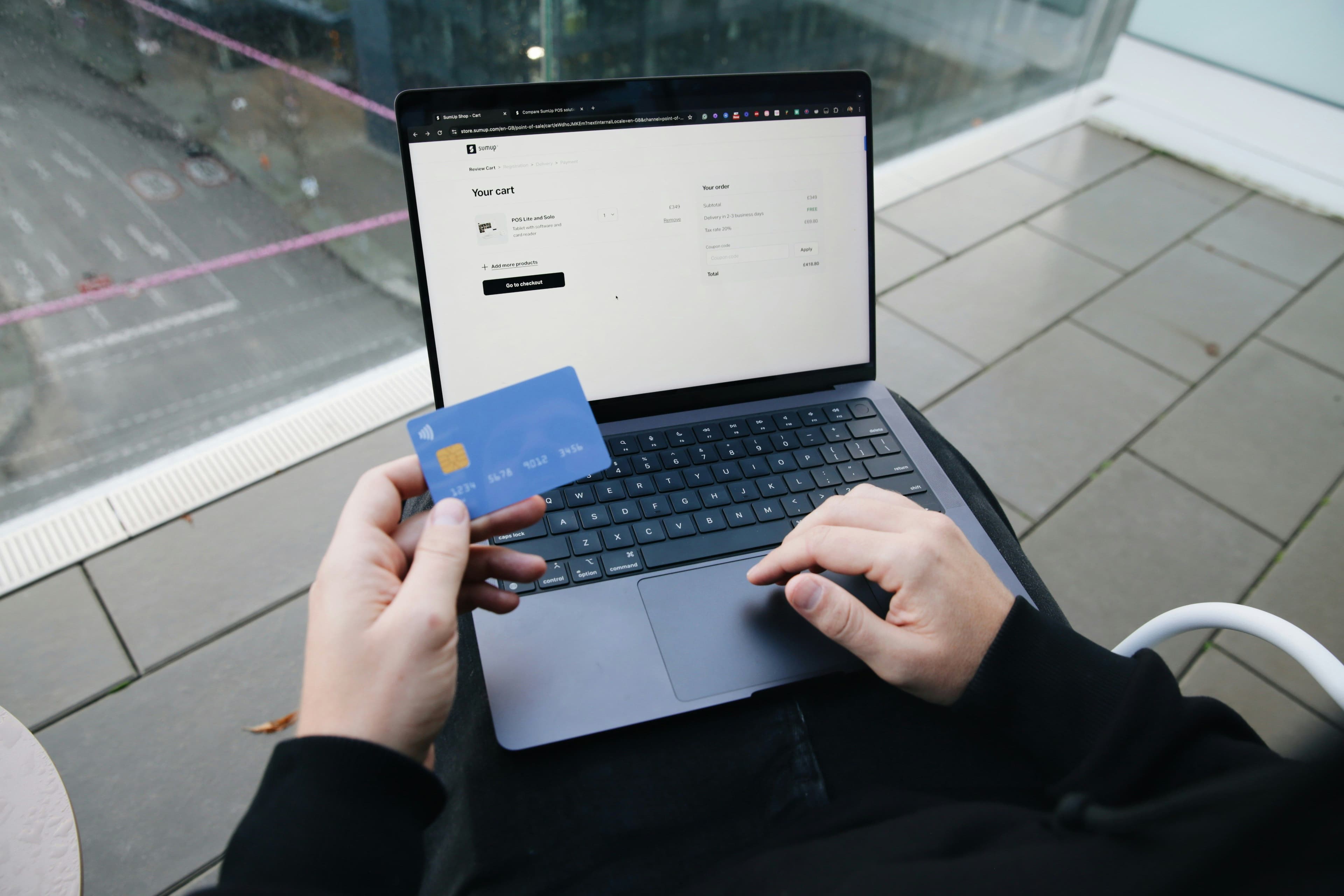
This article explains why even people with good incomes lose control of their money today. It shows how stress, too many things to manage, and modern apps and systems make it easy to get confused and overspend.

This article breaks down how the dopamine reward loop shapes everyday decisions and why today’s fast, digital world makes us more vulnerable to impulse spending and borrowing.
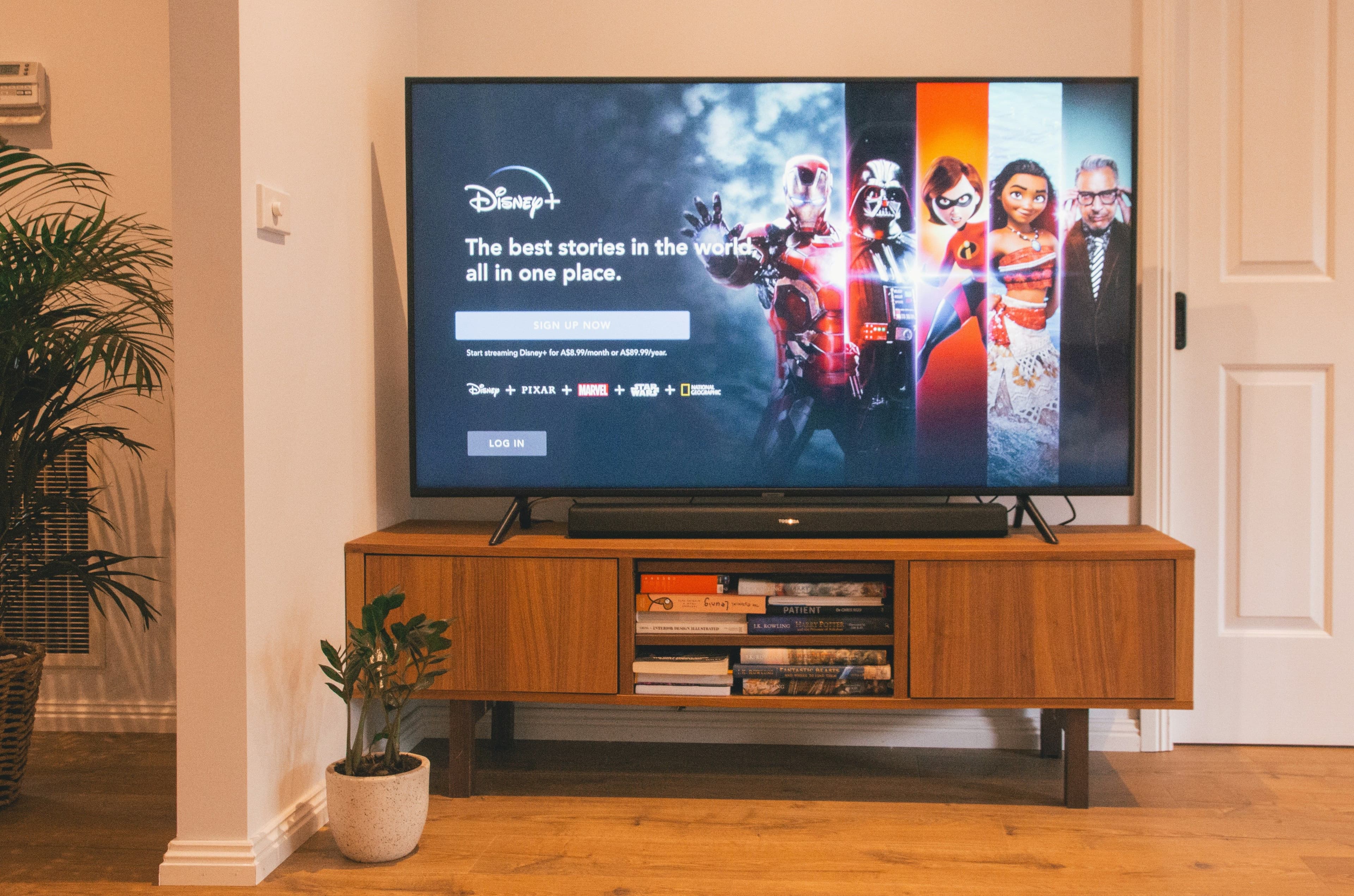
This article explains how subscription tracking apps are evolving and why the growing subscription economy is increasing demand for simple ways to manage recurring expenses.