Loading...


Insights
Practical tips, user stories, and financial strategies that help you track expenses, organize your finances, and make better spending decisions.
Loading...
We use cookies to analyze website traffic and improve your experience. You can accept or decline analytics cookies. Learn more
Insights
Practical tips, user stories, and financial strategies that help you track expenses, organize your finances, and make better spending decisions.
Category
16 articles in this category

The article explains how banks calculate mortgage eligibility by analyzing income, debt levels, credit history, down payments, and living expenses to determine how much a borrower can safely afford.

The article explains the differences between fixed, variable and hybrid interest rates, helping beginners understand how each type affects loan payments and financial planning.

What you pay each month is shaped not only by personal choices but also by global economic forces, and understanding them helps you make better financial decisions.
Amortization is one of those financial words that sounds complicated… but it describes something very simple: how you pay off a loan over time.

A detailed breakdown of costs, interest, amortization, and real long-term impact
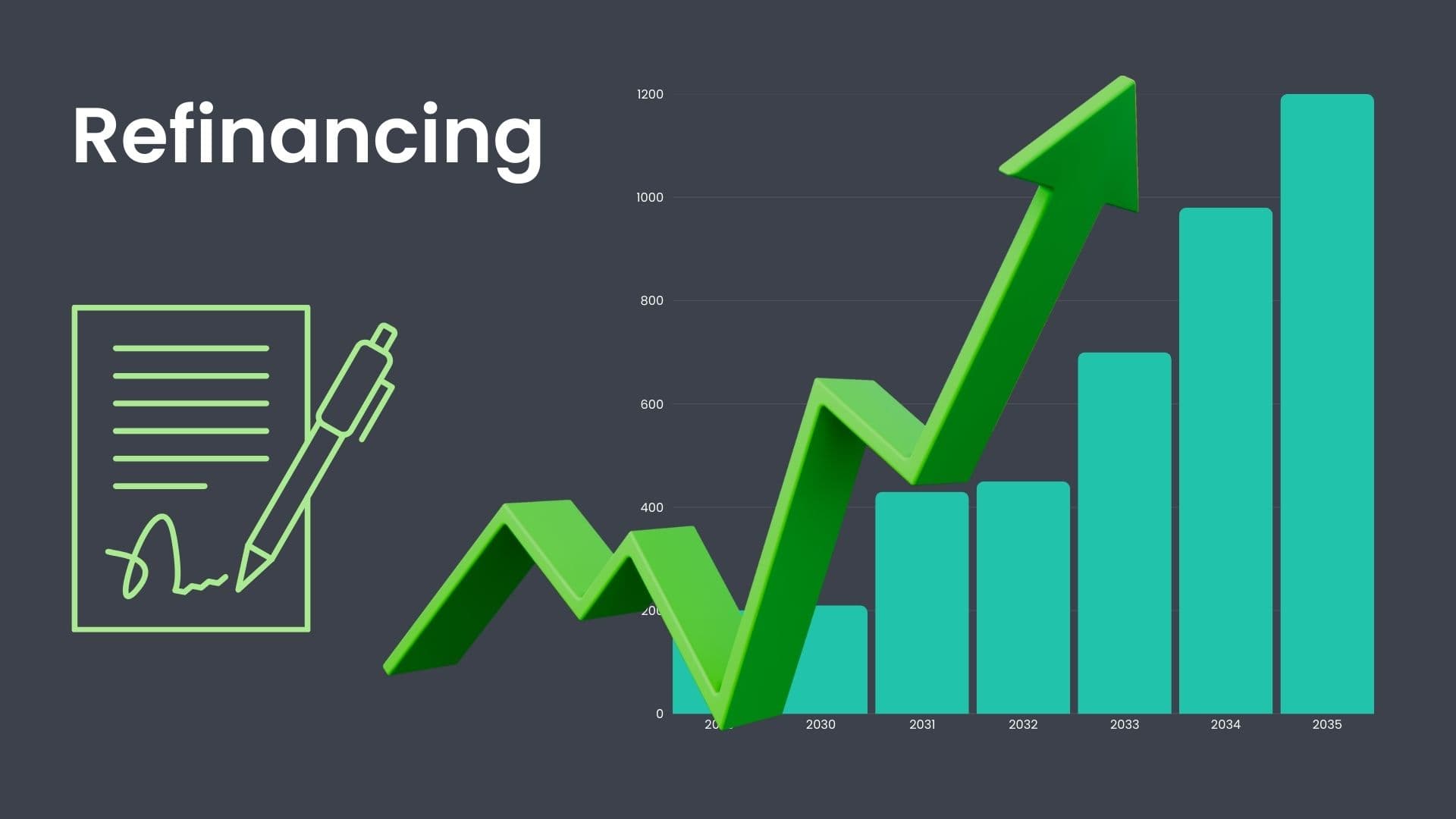
Refinancing—whether for a mortgage, car loan, or personal loan—means replacing your existing debt with a new one, ideally under better terms.
Car loans are one of the most common types of consumer debt, yet few people actually understand how they work.

Leasing a car has become popular because it promises low monthly payments and access to a new vehicle every few years.
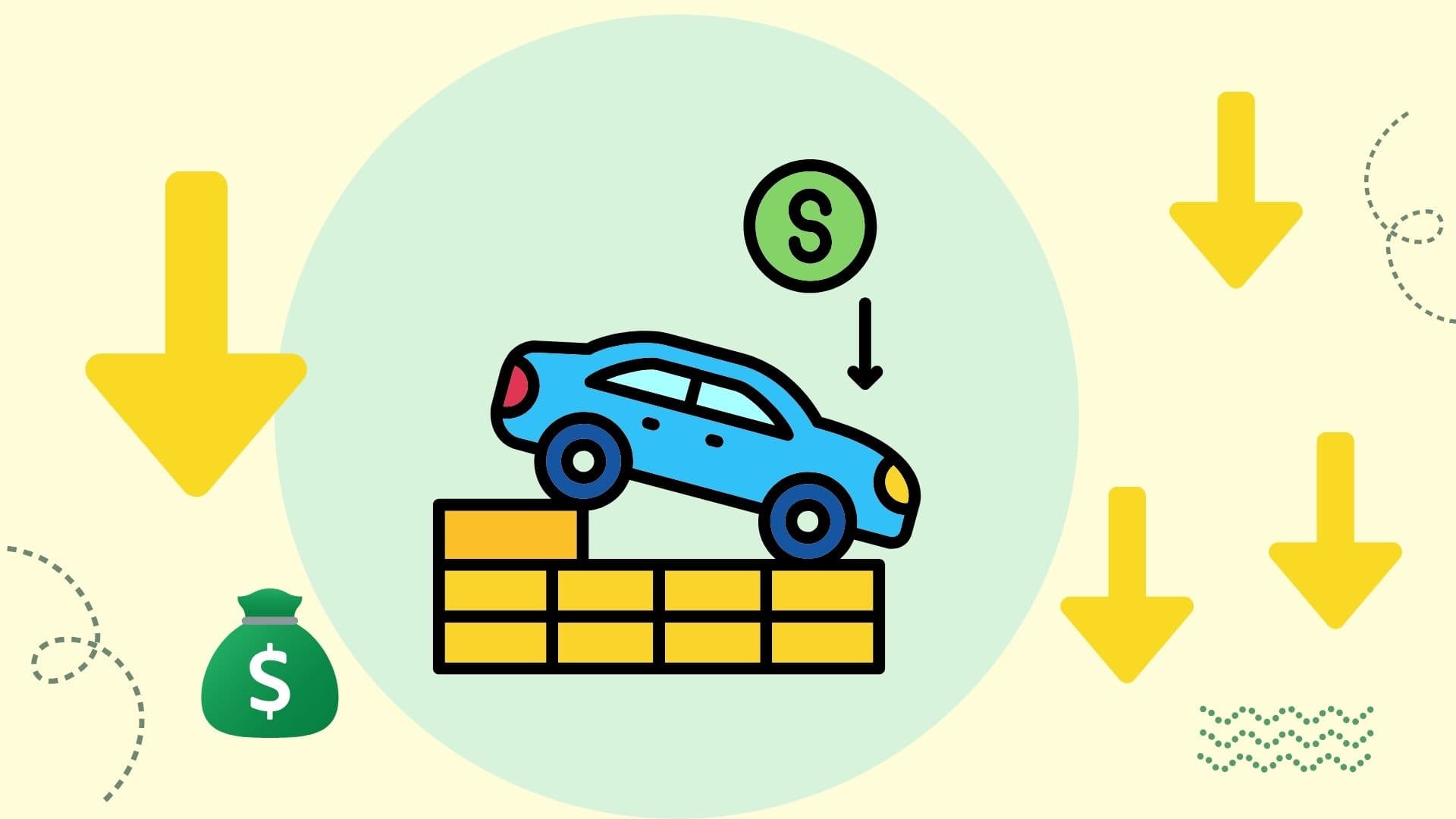
Depreciation directly affects your long-term financial stability: it’s money you will never recover.
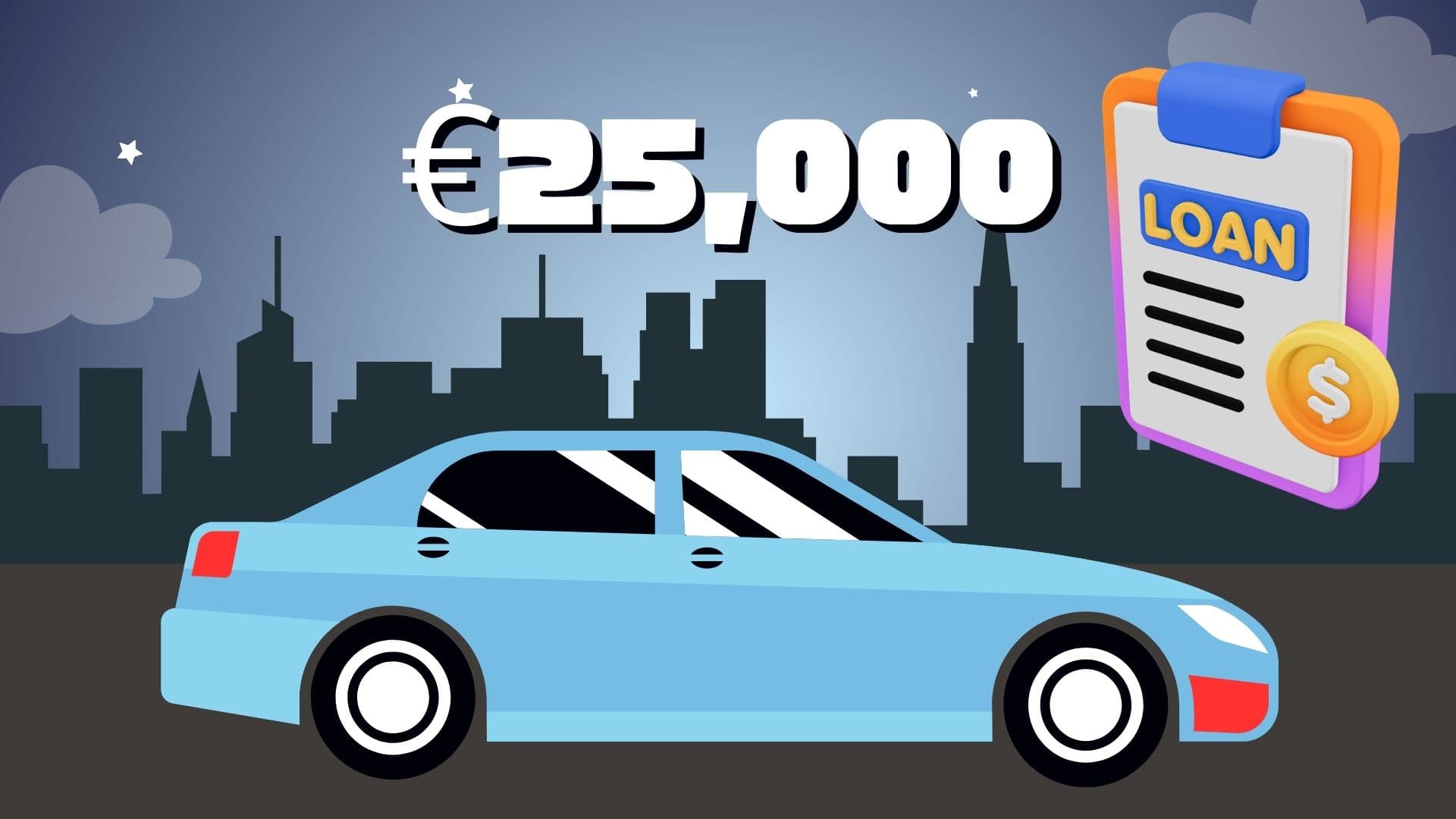
Buying a car is one of the biggest financial decisions most households make. And yet, people usually judge affordability by one thing: the monthly payment.

For many households, the car is the second-largest expense after housing. Yet cars are also one of the easiest ways to fall into long-term debt.
At first glance, “0% interest” and Buy Now, Pay Later (BNPL) offers seem like the perfect deal. No extra fees. No interest. Small monthly instalments.

This article breaks down how BNPL financing works, how Klarna and PayPal Credit differ from store financing, and how to use these tools without falling into debt traps.

High-Interest vs. “0% Interest” Plans — What You Need to Know

Understanding how installment plans influence your credit score can help you avoid hidden pitfalls and build a stronger financial foundation.

A scientific perspective on cognitive biases, decision-making, and household finance