Loading...


Insights
Practical tips, user stories, and financial strategies that help you track expenses, organize your finances, and make better spending decisions.
Loading...
We use cookies to analyze website traffic and improve your experience. You can accept or decline analytics cookies. Learn more
Insights
Practical tips, user stories, and financial strategies that help you track expenses, organize your finances, and make better spending decisions.
Category
10 articles in this category

This article explains what budgeting and expense apps do, what they track, where they’re popular, and how people use them to manage their finances.

AI-based savings recommendations are becoming a critical tool in navigating rising household costs.

Between 2026 and 2028, global households will experience a combination of rising electricity costs, steady internet price inflation, and shifting mortgage landscapes.

AI-powered smart notifications have quietly become one of the most powerful features in modern personal finance. Instead of discovering too late that you’ve overspent, your banking or budgeting app now alerts you as it happens.

This article explores how AI financial assistants are transforming investing, highlighting both their potential to improve discipline and risk management and the limits of relying on algorithms without human judgment.

Today, artificial intelligence (AI) and modern mobile banking apps are changing this dynamic. They automatically scan, categorize, and monitor recurring payments.
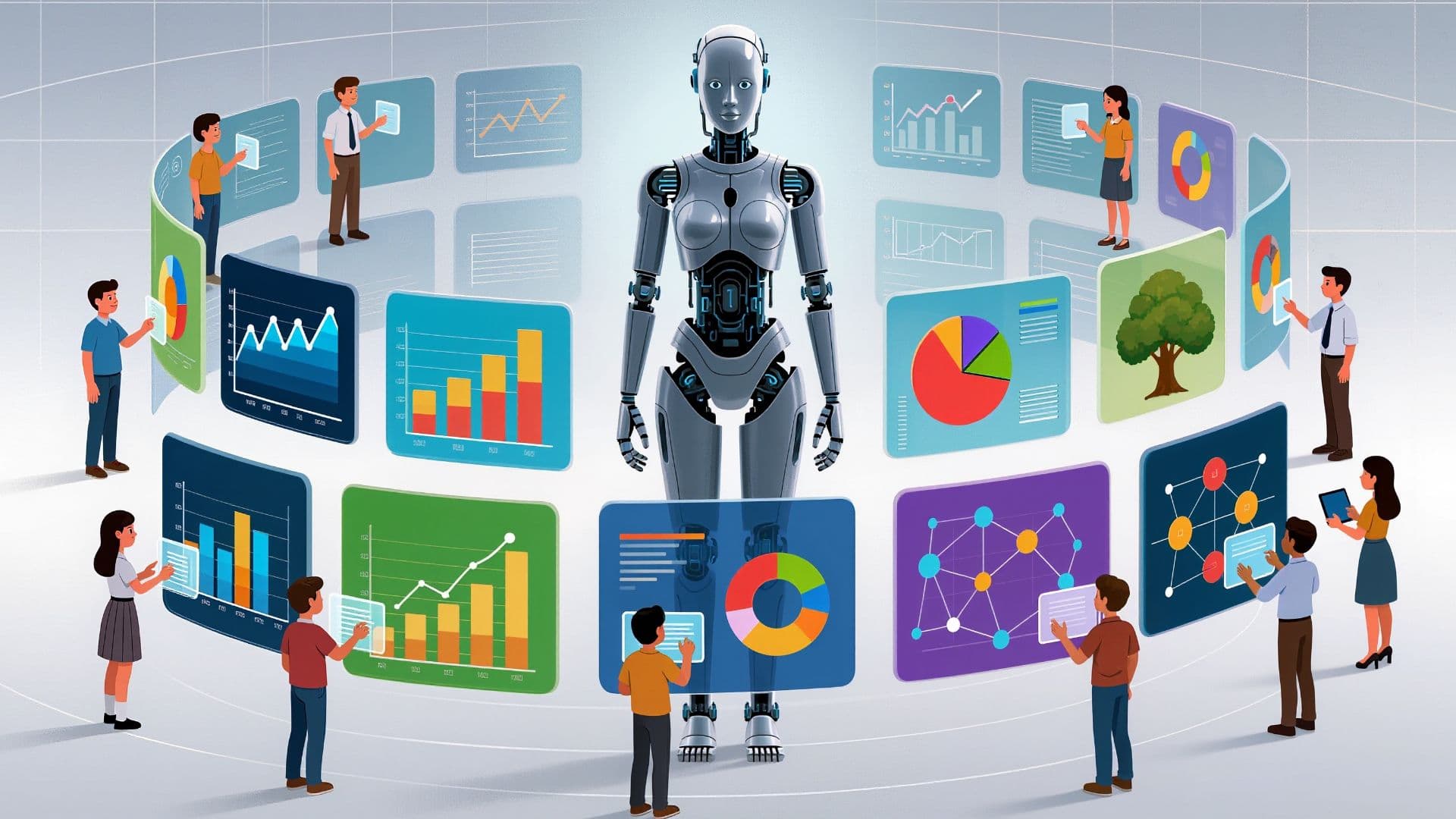
Modern budgeting apps should automatically categorize expenses using AI or smart rules, because users should not need to manually label transactions when technology can already recognize spending patterns and do it for them.

This article explains how predictive budgeting, behavioral habits, and long-term financial planning help individuals stay in control of their money and prepare for unexpected income shocks.

Artificial intelligence is rapidly changing the way households manage their finances. One of the most promising developments is the rise of AI-generated budgets
The next generation of AI tools will not only detect fraud but predict it—forecasting risks based on early behavioral signals. Instead of reacting to fraudulent activity, families will receive proactive warnings.